Report & Gallery: the ADAC 1000 kilometres 2026 at the Green Hell

By Marcel Hundscheid / Speed-O-Graphica
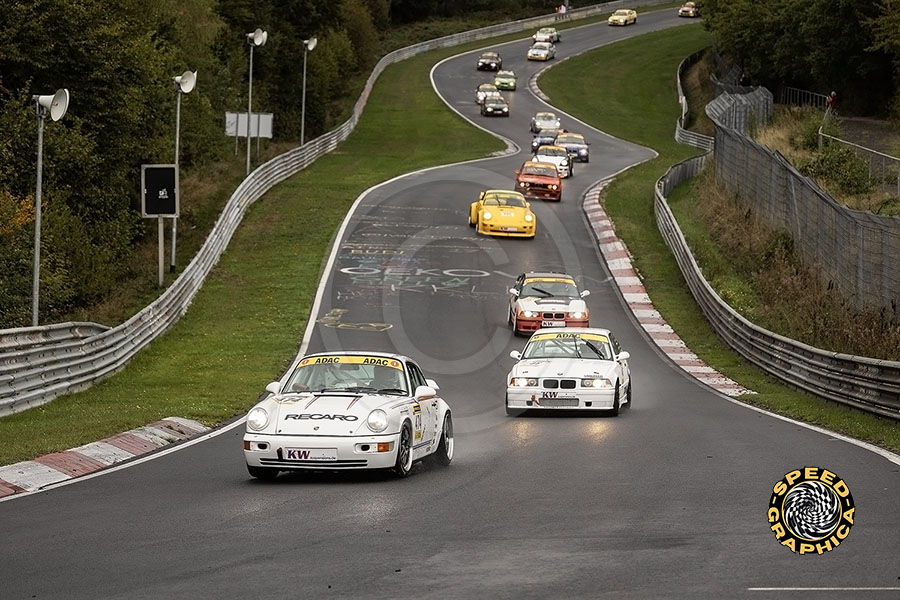
During the final weekend of the summer of 2026, the ADAC 1000 km was once again held at the Nürburgring and the infamous Nordschleife. Unlike previous years, when the 1000 km distance was covered in a single six-hour event, this year the race was split into two separate three-hour races. We were on site to capture this annual highlight of historic endurance racing.
From 2026, historic long-distance motor racing in Germany will be organized under a new championship: the DHLM (German Historic Endurance Championship). The 2026 championship consisted of four races—all held on the Nordschleife—culminating in the ADAC 1000 km race.
Since a standard DHLM race lasts three hours, the ADAC 1000 km event was structured as two separate three-hour races; these took place on the Saturday and Sunday of the final weekend, utilizing both the Nordschleife and the Nürburgring Grand Prix circuit.
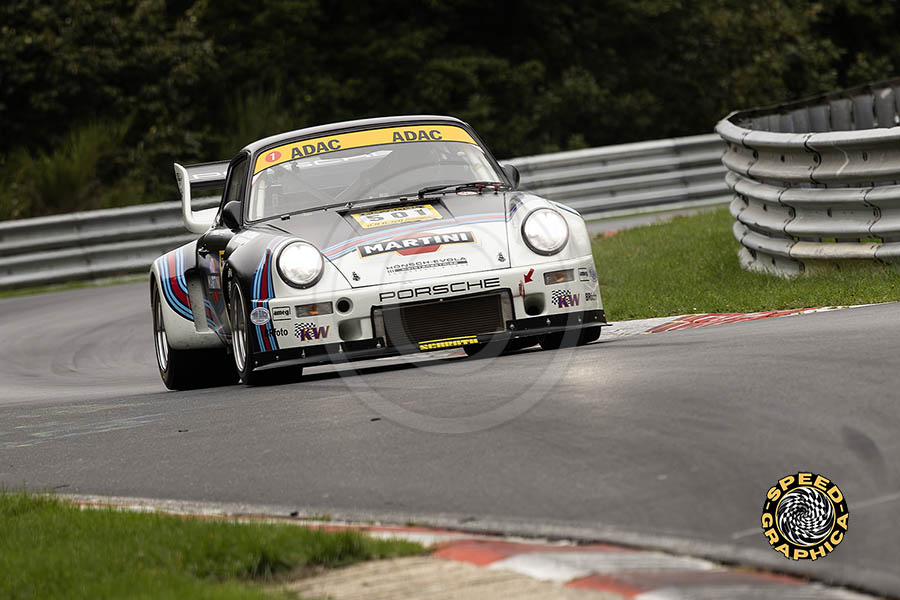
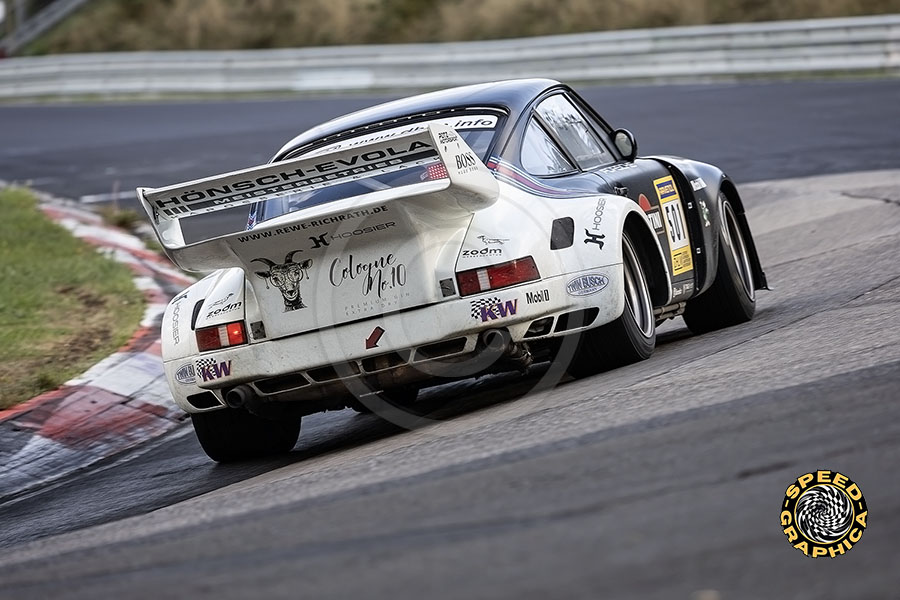
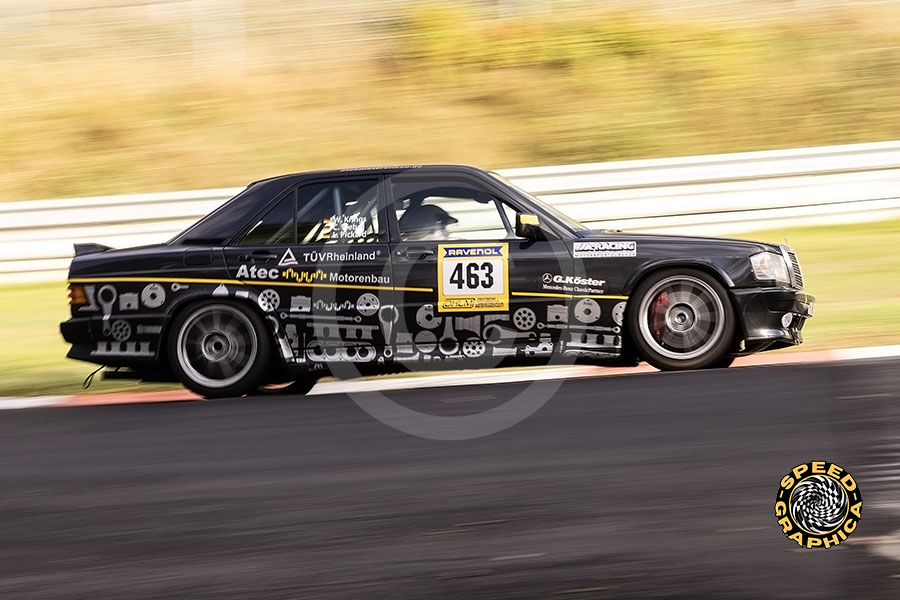
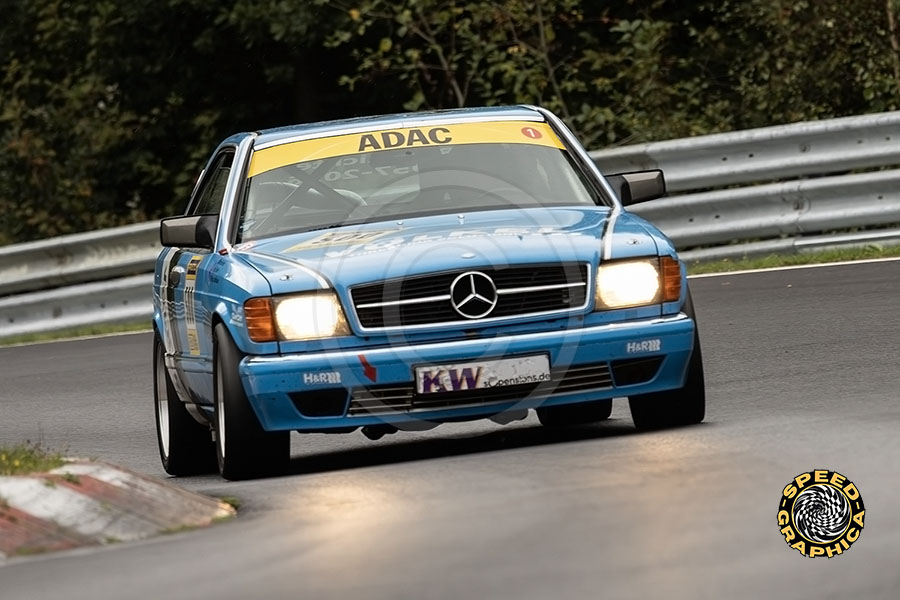
On Saturday morning the weekend got off to an early start with the qualifying session for the third race. Ralf Schall (Mercedes 190E Evo 2) and the duo of Oliver Boyke and Michael Joos (Porsche 911 RSR IMSA) were tied on points. However, the fastest in qualifying were brothers Björn and Georg Griesemann in their e-fuel-powered Porsche 911 RSR.
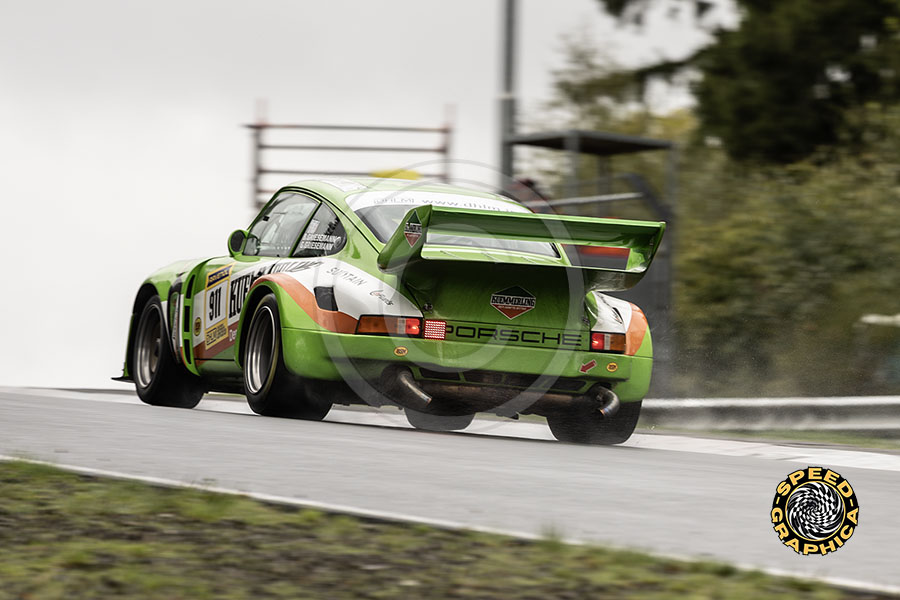
An epic battle for the lead unfolded during the three-hour race. The Griesemann brothers controlled the pace and drove to a well-deserved victory, while Ralf Schall secured second place thanks to a shrewd and flawless race. Oliver Boyke and Michael Joos rounded out the podium in the Eifel. As a result, the top two contenders in the championship standings ended up tied on points.
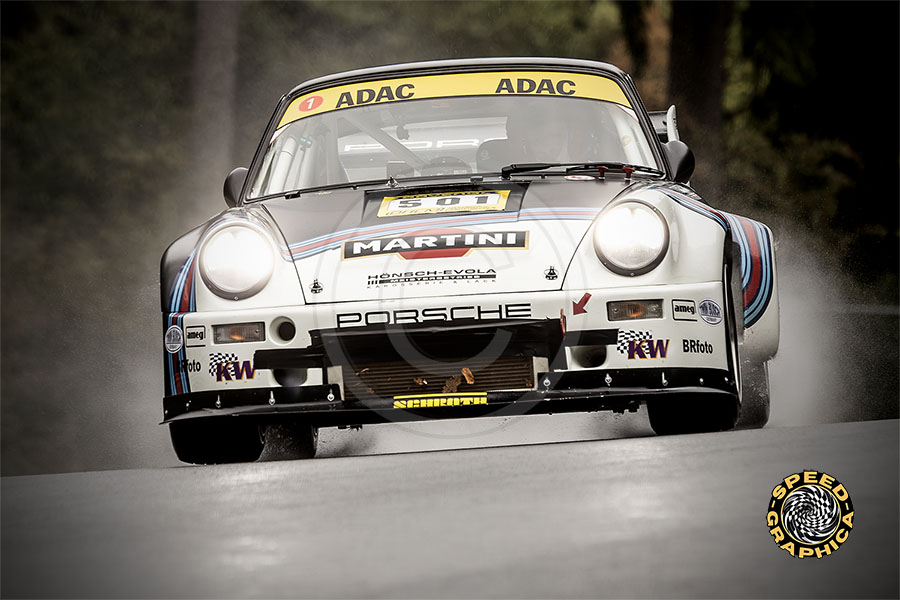
The final qualifying session of the season took place on Sunday morning, determining the grid for the decisive race later that day. On a drying track, pole position went to the Porsche 911 RSR driven by Maxwell Polzler and Nick Salewski. Oliver Boyke and Michael Joos qualified second, while Andre Kunkel, Christian Dannesberger, and Heiko Hammel secured a Porsche 1-2-3 finish in qualifying with their 911 RSR IMSA.
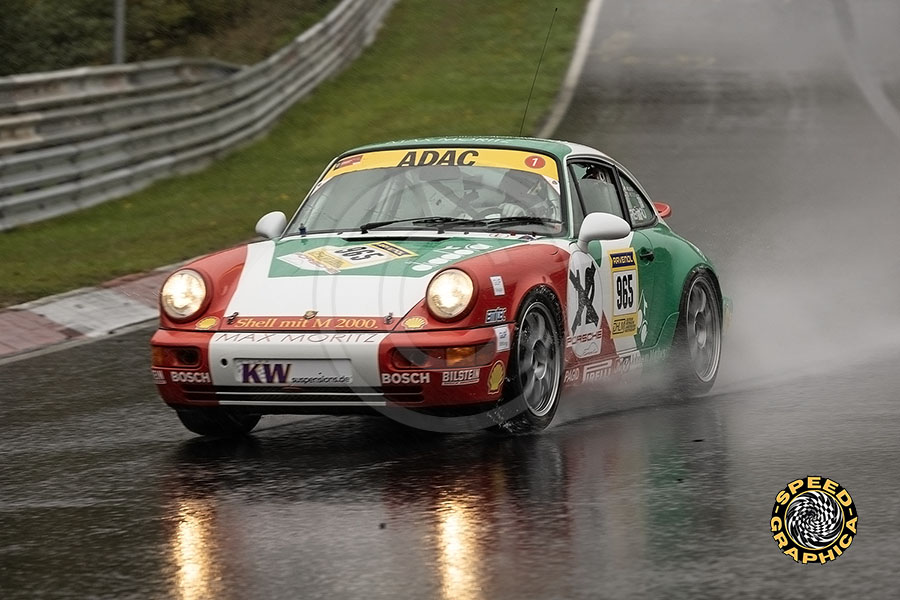
It wouldn’t be the Green Hell without some rain. Before the start of the final, decisive race, drizzle turned parts of the circuit into a surface as slick as a mirror.
The decisive moment came shortly after the start when Oliver Boyke lost control of his 911 RSR IMSA in the Eschbach/Brünnchen section. The rear of the Porsche slammed hard into the guardrail, causing severe damage to the rear suspension. The team was forced to retire immediately, instantly extinguishing their title hopes.
The lead then passed to the Porsche driven by the trio of Kunkel, Dannesberger, and Hammel. A solid lead built by Christian Dannesberger evaporated following a puncture, causing the Porsche to drop down the order.
The Griesemann brothers subsequently worked their way into the lead. Shortly before the finish, however, it emerged that Björn Griesemann had completed only four laps during the race, instead of the mandatory minimum of six laps per driver. Race control responded decisively, handing out a twenty-second time penalty. However, their lead proved substantial enough that victory remained well within their grasp. Meanwhile, Ralf Schall drove a strong and consistent race in his Mercedes 190E 2.5 16V Evo 2. His third-place finish was enough to crown him the inaugural DHLM champion after four races.
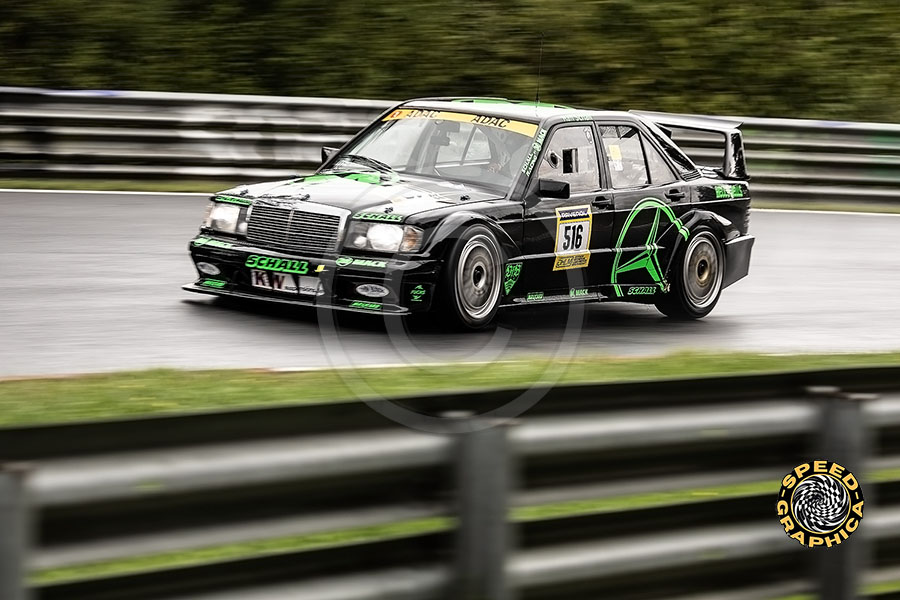
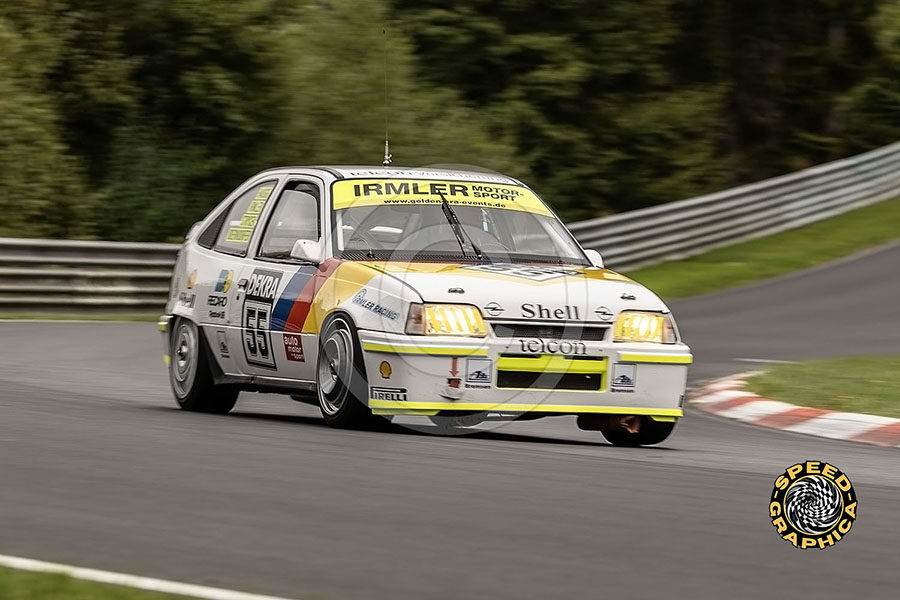
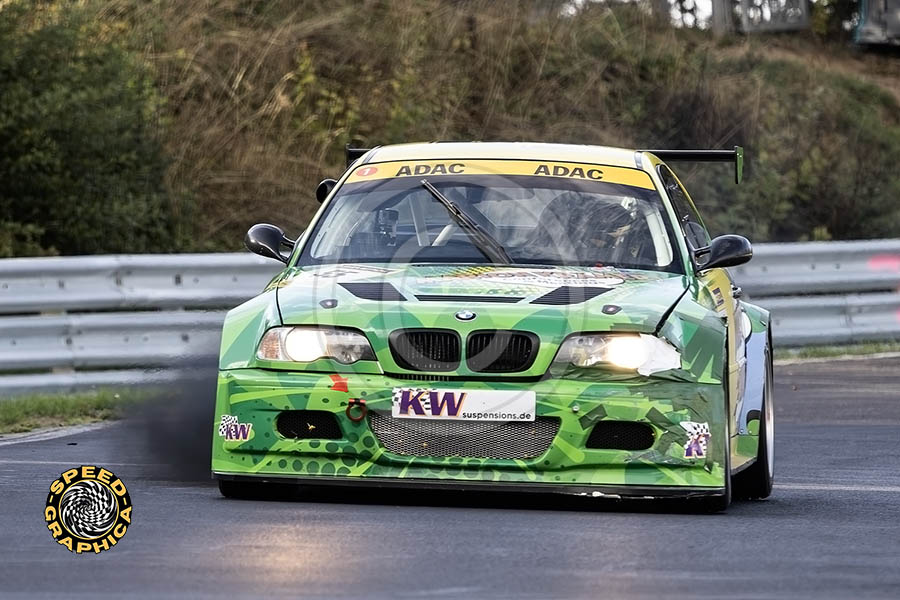
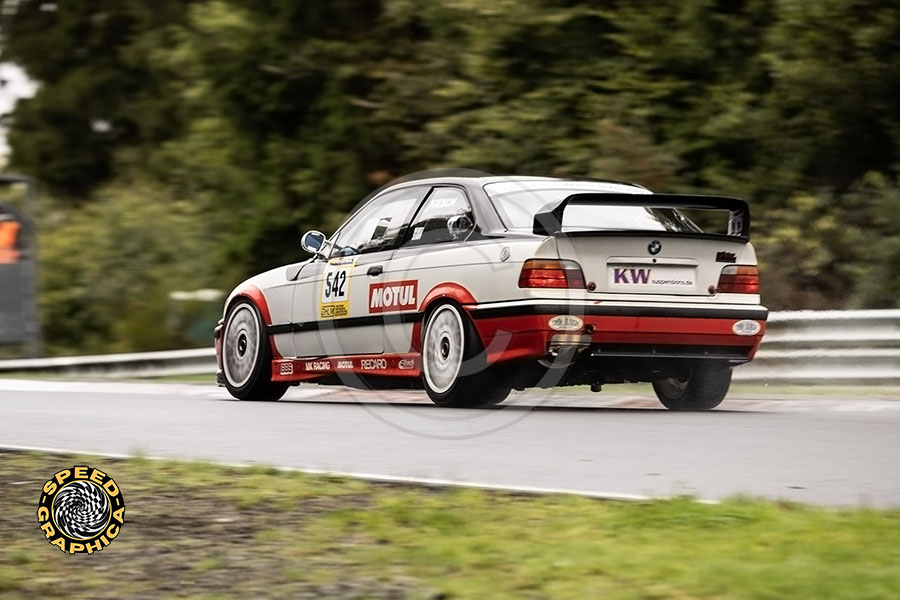
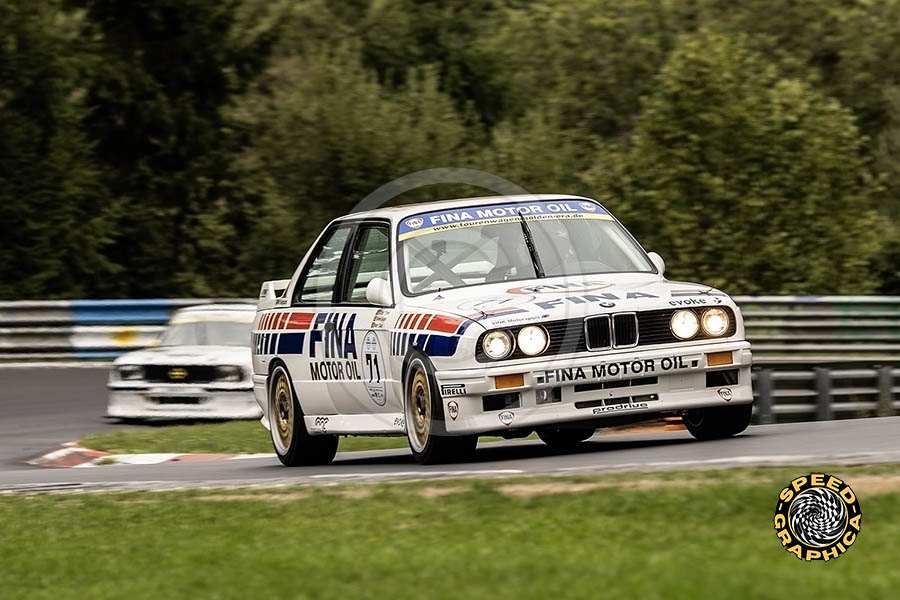
Former DTM and STW cars from the 1980s and 1990s compete under the banner of the Tourenwagen Golden Era. This year, the championship featured a dedicated three-lap race on the legendary Nordschleife.
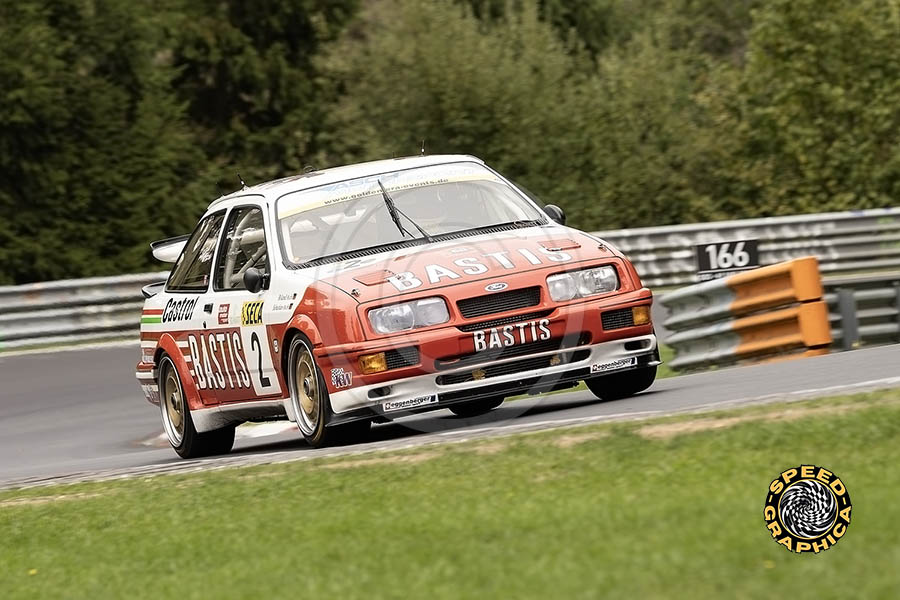
Pole-sitter Sebastian Asch encountered gearbox issues with his Ford Sierra RS500 during the very first lap and was forced to retire. Ralf Schrage subsequently took the lead in his RS500, although he too was plagued by technical problems caused by a loose cable.
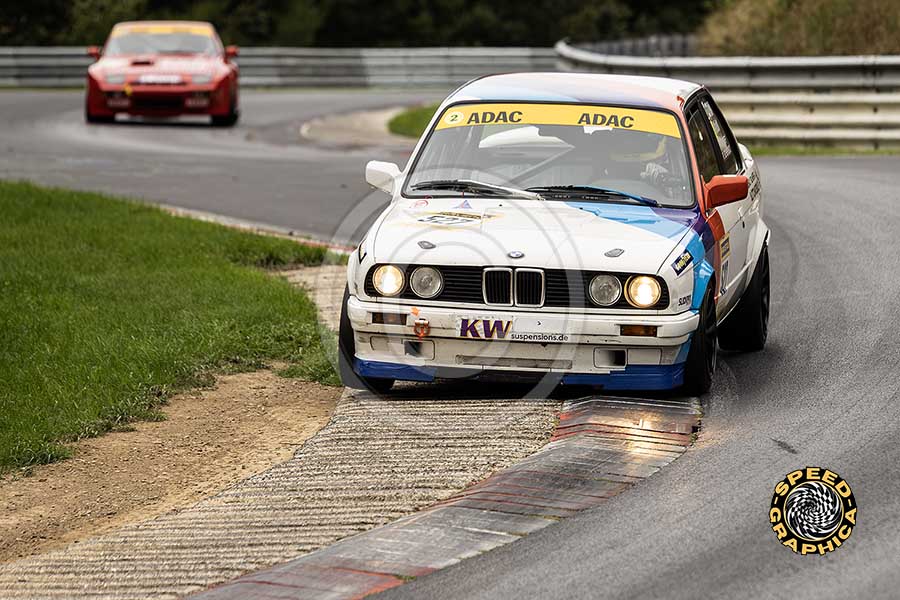
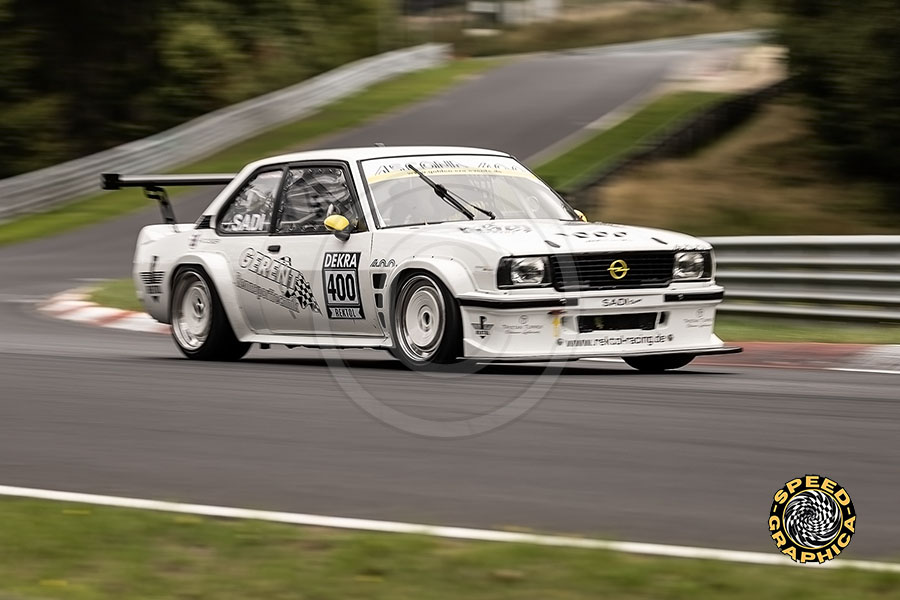
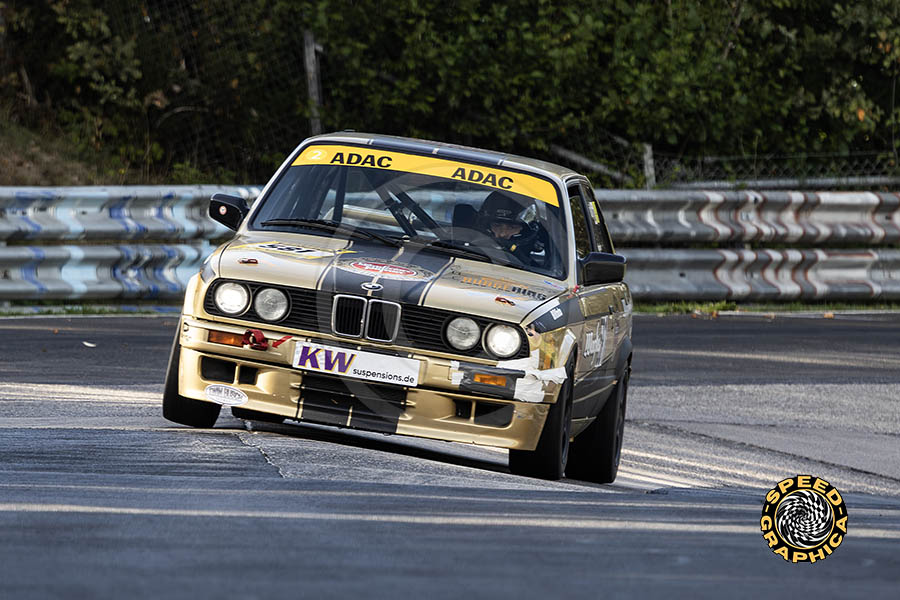
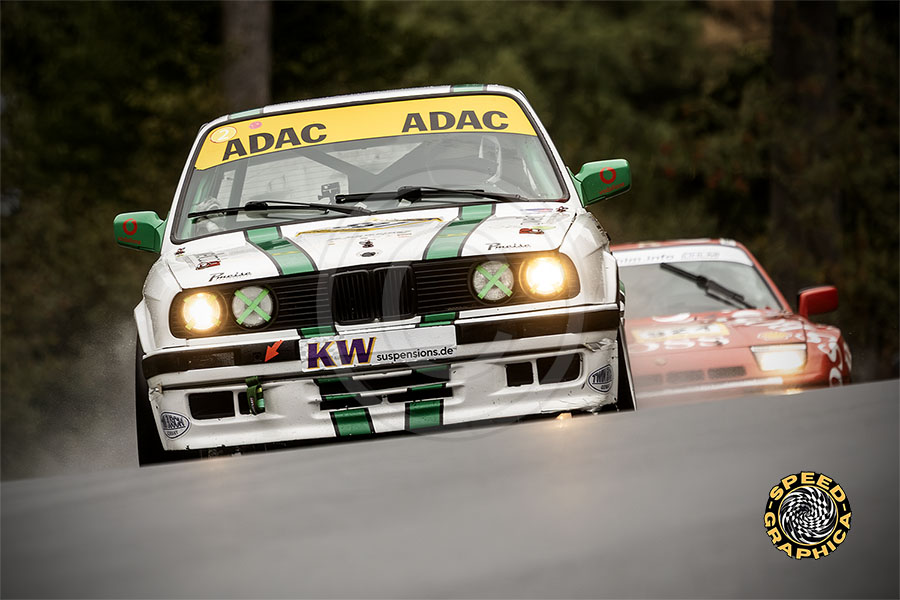
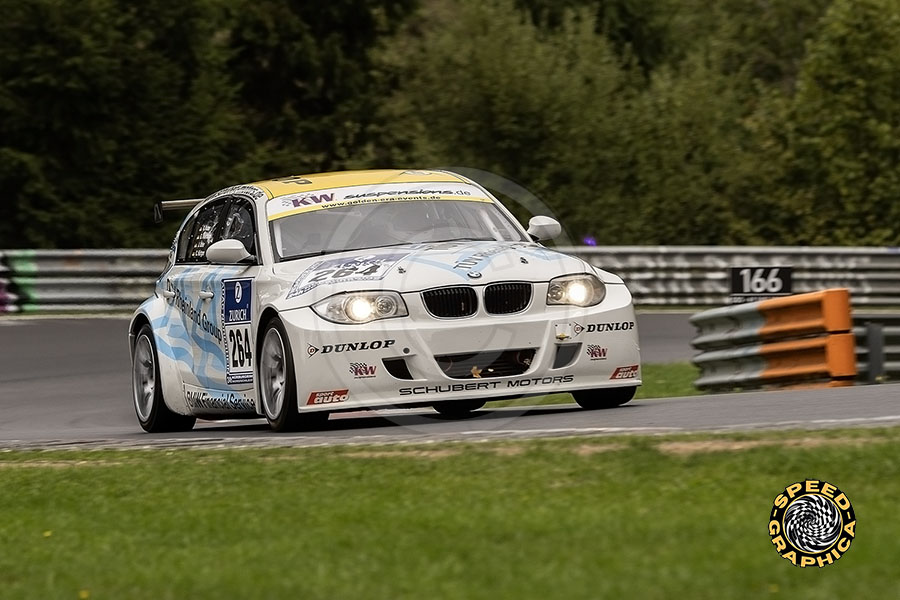
Next it was Marc Seesing who crossed the finish line first after three laps in his stunning BMW E30 M3 Group A. Thomas Schmidt finished second in his BMW 120d, ahead of Michael Sadurski in an Opel Ascona 400.
All in all, it was another interesting weekend that has secured a well-deserved spot on the historic motorsport calendar. One can only hope that, for future editions of the long-distance race on the Nordschleife, the organizers manage to expand the starting field. With only around 80 cars on the Nordschleife’s long ribbon of asphalt, the event becomes less engaging for spectators.
In any case, we look forward to the 2027 edition, as the Nordschleife remains one of the finest and most challenging racetracks on the planet.