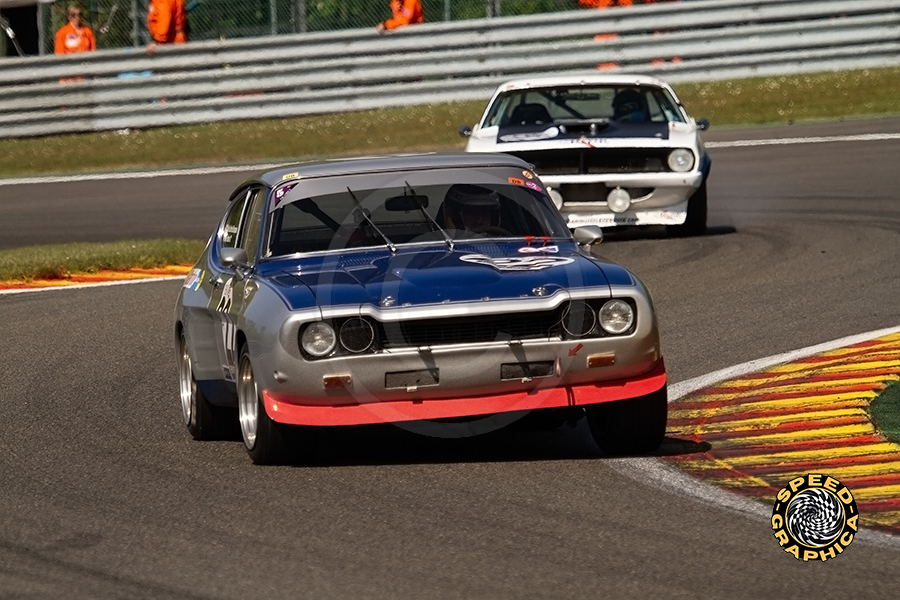
Ford Capri RS: European Touring Car Legend part 1

By Marcel Hundscheid / Speed-O-Graphica
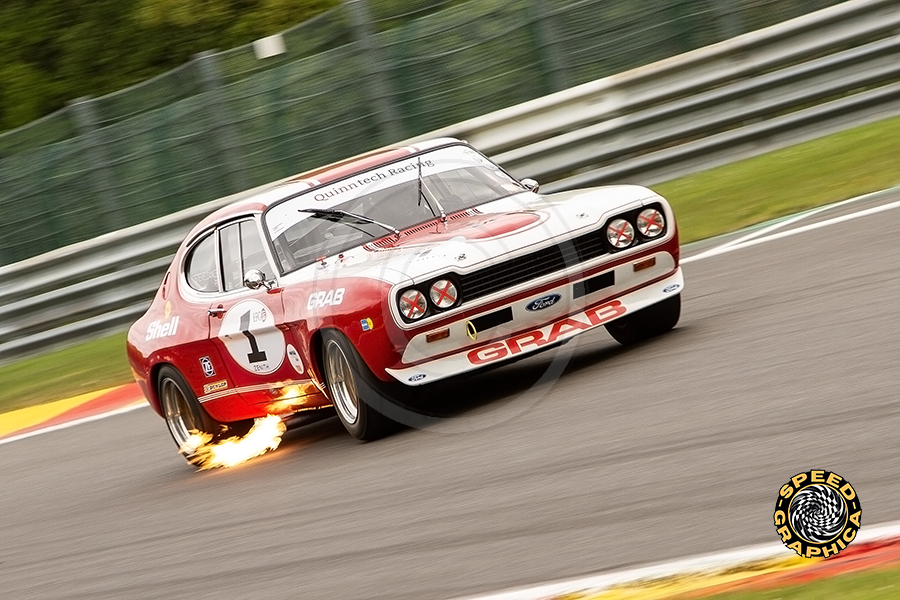
In this look at a European touring car legend, we examine the development of the racing versions of the Ford Capri RS 2600 and RS 3100, which would achieve considerable success during the early 1970s.
Ford launched their Capri in 1969, which at the time was known as the Colt, essentially a nod to its big brother and inspiration, the Mustang. While the Mustang offered a wide range of engines for sporty drivers seeking high performance, the Capri lacked a comparable option for highly sporty pursuits.
During this preliminary production run, Ford battled Mitsubishi in court over the Colt name. Ford ultimately lost, forcing the company to change the name to Capri. Thus, the Capri was unveiled at the 1969 Brussels Motor Show.
Car manufacturers had been finding it difficult to develop powerful engines within the regulations of the time. However, this changed with the advent of homologation specials – cars with powerful engines that were suitable for the track and simultaneously complied with regulations. These special vehicles were produced in limited numbers and were fully road legal.
Jochen Neerpasch began his racing career in the 1960s. His greatest success came in 1968, winning the 24 Hours of Daytona with a Porsche 907. That same year, Ford asked him to establish a racing division. At Ford, he had a lot of success with racing versions of the Escort and Capri.
Ford began development of the RS Capri in late 1969, aiming to create a car that excelled both on the track and the road. The RS2600 would be developed by Ford’s competition department in England and was produced in Cologne, Germany and introduced in Geneva in March 1970 as a very special edition of the Capri.
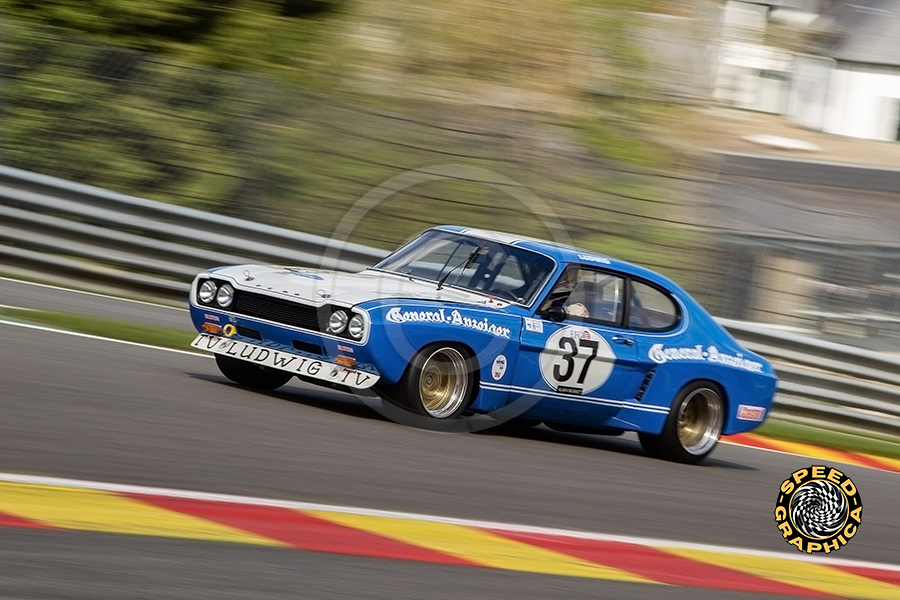
The European Touring Car Championship (ETCC) was the platform where car manufacturers could compete against racing versions of production cars intended for everyday use. Before BMW entered the ETCC, the Ford division in Cologne had steadily developed the Capri into a competitive racing car. Ford introduced aluminum cylinder heads developed by Harry Weslake and subsequently fitted to the V6 engines that were also used in the production cars.
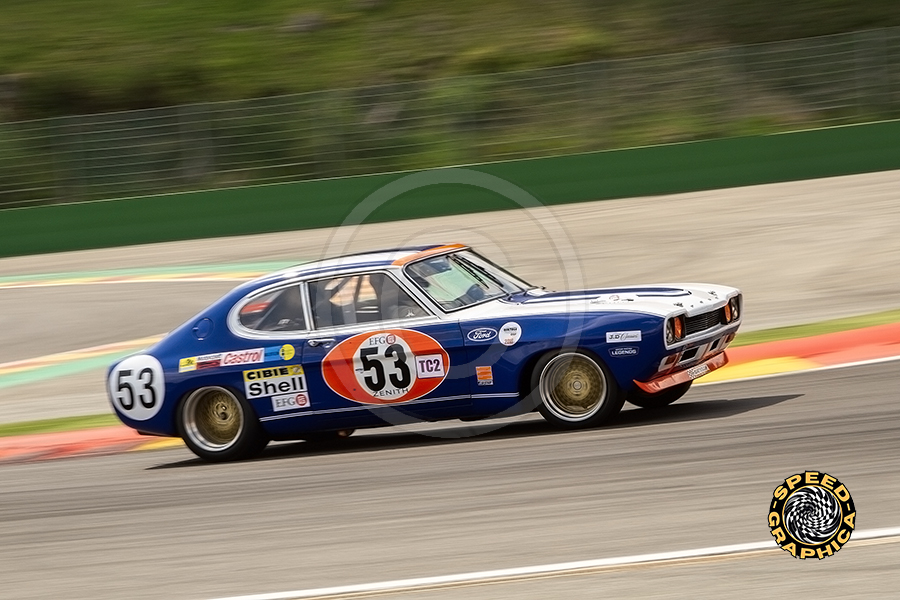
The 2.6-litre six-cylinder was then enlarged to the maximum displacement in the 3-litre class and by 1972 a coil-sprung rear end was added. Joy and sorrow are unfortunately very close together, and when Ford took victory on its debut at the 4 Hours of Monza, the joy was overshadowed by the announced departure of Jochen Neerpasch to arch-rival BMW where he would found the now legendary “M” Motorsport division.
Neerpasch was then succeeded at Ford by Mike Kranefuss, who was well aware that the successes of 1971 and 1972 were not to be taken for granted and that BMW was more than a formidable opponent. To ensure that Ford could at least hold its own against BMW, Cosworth was approached to develop a completely new power unit for the 1974 season.
In the second part we continue our story with Capri’s racing in the European Touring Car Championship.