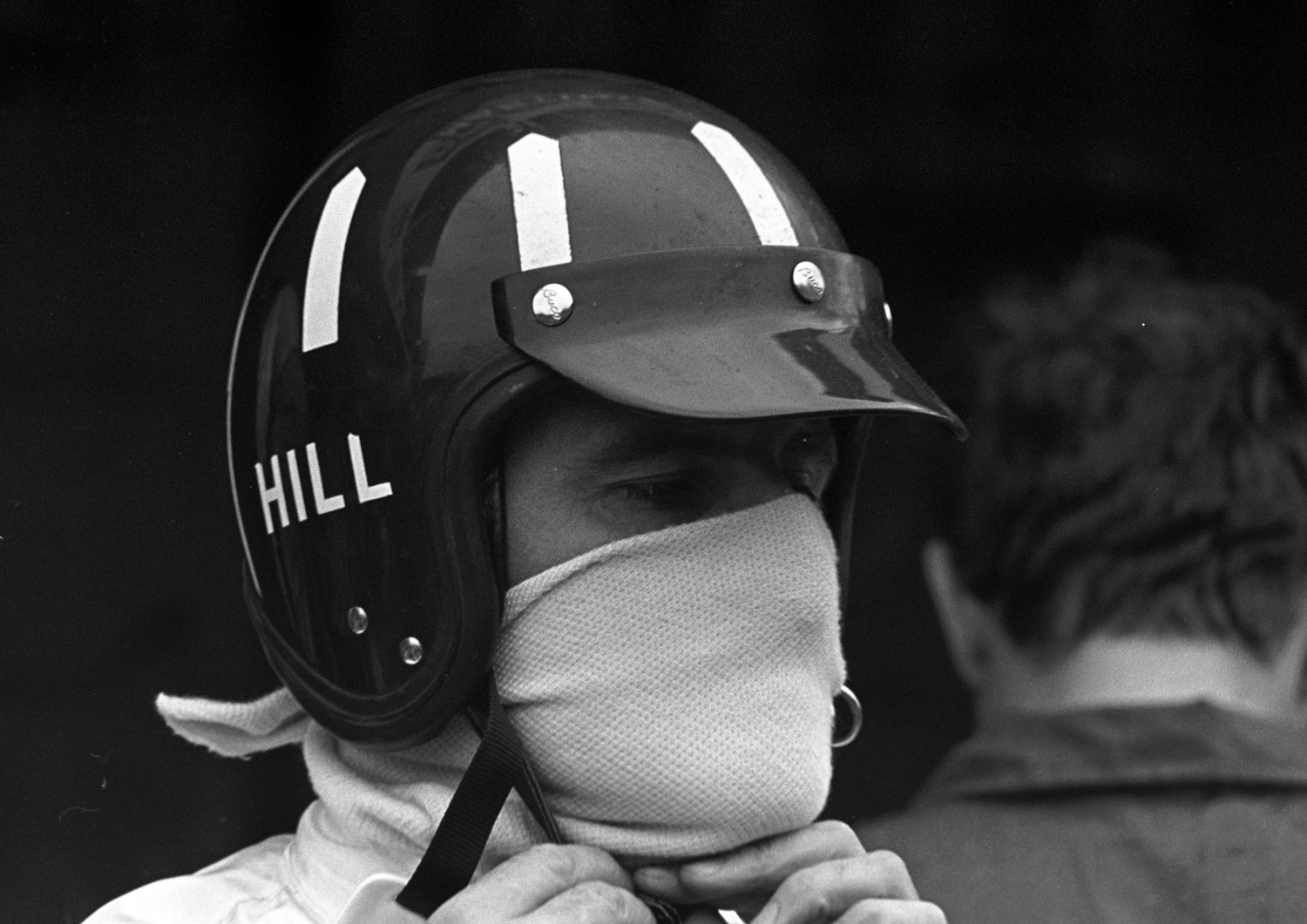
Gone But Not Forgotten: Graham Hill, Prototype Of A Gentlemen Driver

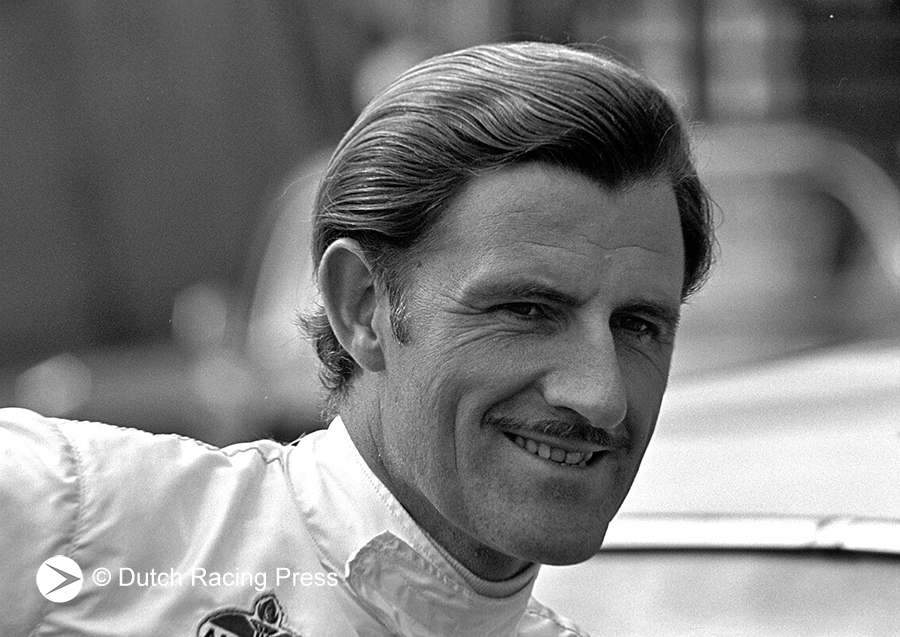
By Marcel Hundscheid / Speed-O-Graphica
We are pleased to present a new series on Motorspor Retro in which we look back on the life of a racing driver who is sadly no longer with us. Accompanied by unique and historic photographic material from Dutch motorsport photographer Winau Berkhof, in this episode we look back at the life and racing career of Graham Hill.
Graham Hill (1929–1975) was a British Formula 1 icon, best known as the only driver to win the ‘Triple Crown of Motorsport’: the F1 World Championship (1962, 1968), Indianapolis 500 (1966), and 24 Hours of Le Mans (1972). Known as “Mr. Monaco” for his five wins there, Hill was a charismatic driver-turned-team owner who died in a 1975 plane crash.
Incidentally, it took a long time before Hill came into contact with cars, let alone motorsport. He was a late bloomer who initially had no interest in cars. He did not obtain his driving license until he was 24.
Hill was much more into rowing; he rowed at the Southsea Rowing Club and became a member of the London Rowing Club in 1952. In the period between 1952 and 194, he participated in twenty finals. At that time, the Briton did not yet have a real life goal.
His father was a stockbroker and through him, he began an apprenticeship with an instrument maker. He completed his compulsory military service with the Royal Navy. Two years later, he returned to his job with the instrument maker.
However, an advertisement in the monthly magazine Autosport for the Universal Motor Racing Club at Brands Hatch would bring about a radical turning point. A few laps in a 500cc Formula 3 car ensured that Hill would be given a very clear direction.
That same day young Hill became an instructor for the racing school at Brands Hatch. And if he did his best, he was even allowed to participate in a race. Subsequently he submitted his resignation to Smith’s Instruments.
Sometime later Hill met none other than Colin Chapman in a cafe. Without hesitation, he asked Chapman for a job as a mechanic. In 1956, he was allowed to participate in a number of races with a Lotus Eleven that he had worked on as a mechanic. Hill subsequently won four races.
Chapman was impressed and made Hill a full-fledged Formula 2 driver in 1957. With a Lotus 12 however, he didn’t stand a chance against the rear-wheel-drive Coopers.
On May 18, 1958, the then 29-year-old Hill lined up at the start of the Monaco Grand Prix for the first time. It was also the debut of Lotus in the pinnacle of motorsport. In those days the Lotus team was nothing like what it would eventually become: an amateur team that entered the race with substandard equipment and rarely, if ever, reached the finish line.
The following year, nothing would change for Lotus, and in 1960 Hill had had enough and left Chapman’s team. Consequently, Hill signed with BRM, which, as it later turned out, would be the right choice. Hill battled Jim Clark for the world title throughout that season, and the decision would not be made until the final race in South Africa. Clark initially took the lead and built up a substantial advantage. Mechanical failure prevented him from reaching the finish line and claiming the world title, which subsequently went to Hill.
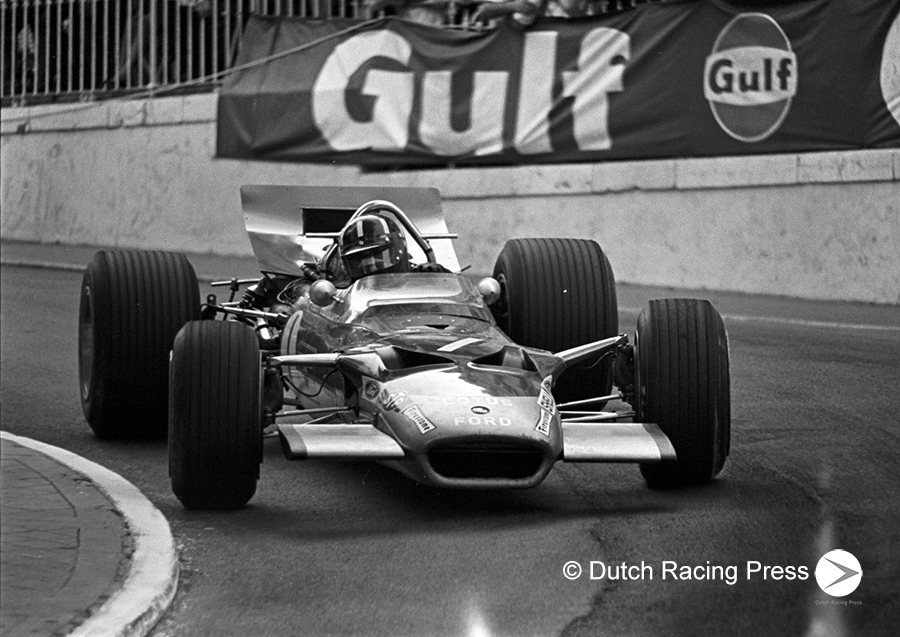
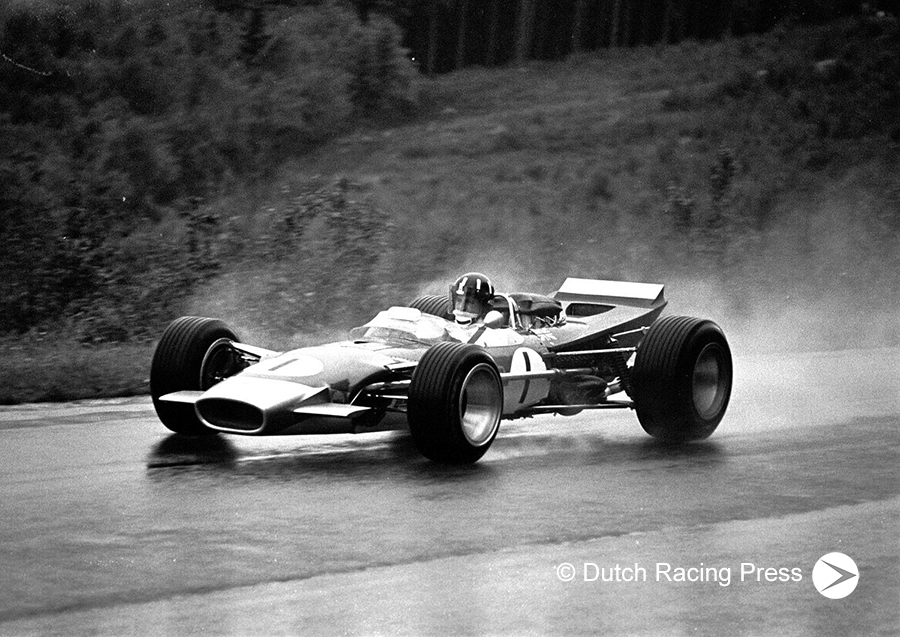
Although Hill and Chapman were not the best of friends, he was brought back to work on the development of the Lotus 49. In 1967, he was still struggling with the reliability of the Lotus 49. In 1968, he initially battled Jim Clark for the world title. However, Clark tragically lost his life during a Formula 2 race at Hockenheim. Hill subsequently became 1st driver at Lotus and claimed his second world title in 1968.
The Lotus 49 was anything but a safe car, which became all the more apparent when Hill crashed during the race at Watkins Glen and broke both legs. His career came to a sudden, temporary halt as a result, and although he returned later, he did not achieve the successes of yesteryear.
Chapman was convinced that Hill was past his prime, after which he placed him in Rob Walker’s team with the Lotus 72 for the 1970 season. Hill proved to be anything but fit, and he did not score points until towards the end of the season.
For the 1971 and 1972 racing seasons, he moved to Brabham. In 1971, he stood on the top step of the podium for the very last time, after winning the non-championship International Trophy at Silverstone with the Brabham BT34.
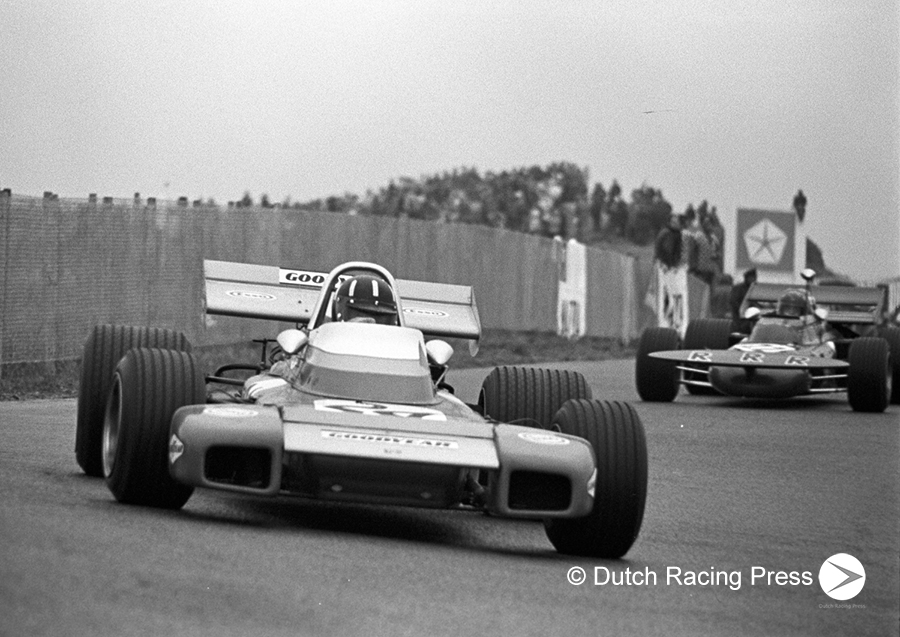
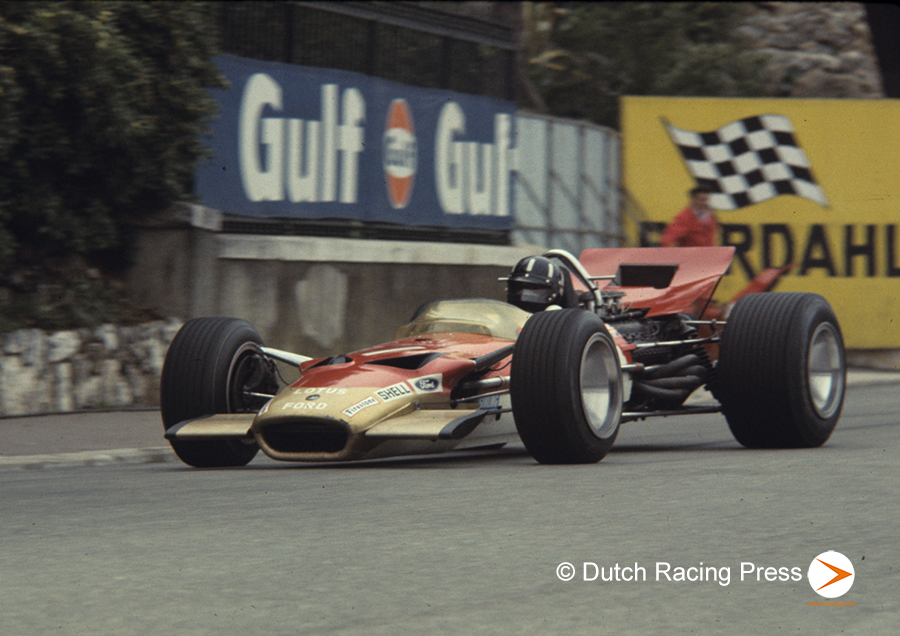
Just like many of Hill’s colleagues at the time, he did not race only in Formula 1. Hill competed in a wide range of diverse racing series. One of his highlights was winning the 24 Hours of Le Mans together with Frenchman Henri Pescarolo in a Matra MS670. In 1966, he had also won the Indianapolis 500. Because he had also won the Monaco Grand Prix in 1963, he simultaneously claimed the Triple Crown, an unofficial title. To this day, no one has ever matched that achievement. Incidentally, he also won the Monaco Grand Prix in 1964, 1965, 1968, and 1969.
Finding a seat with a factory team proved to be more than a challenge. When that turned out to be more of a pipe dream than a reality, Hill decided to found his own team in 1973 under the name Embassy Hill. He secured sponsorship from Imperial Tobacco. Initially the team raced with Shadow and Lola cars. From 1975 onwards, he entered the grid with his own design, although he failed to make an impact. In stark contrast to his five victories in the streets of Monaco was the harsh reality that he could not even qualify for the 1975 Monaco Grand Prix.
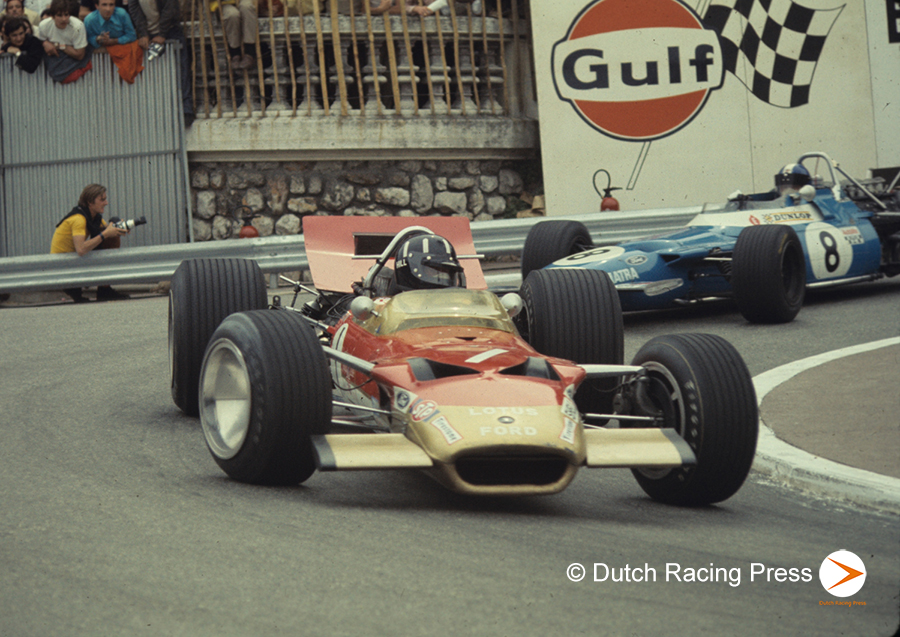
Hill subsequently decided to stop racing and focus on managing his team. In addition, he also had the up-and-coming talent Tony Brise under his wing.
On the evening of November 29, 1975, Hill was returning with his team from training at the Paul Ricard circuit. Hill was piloting his own aircraft, a twin-engine Piper PA23-250 Turbo Aztec. During the night approach in dense fog, the aircraft crashed north of London near a golf course. All occupants, including Hill, Tony Brise, and the members of the Embassy Hill Team, perished in the crash.
In this tragic way, the life of Norman Graham Hill, the only racing driver ever to win the Triple Crown, came to an abrupt end. Fate had not struck now on a race track where he had played the unpredictable game between life and death for years.