Europe’s finest during the 70s & early 80s, the DRM-championship: part 1

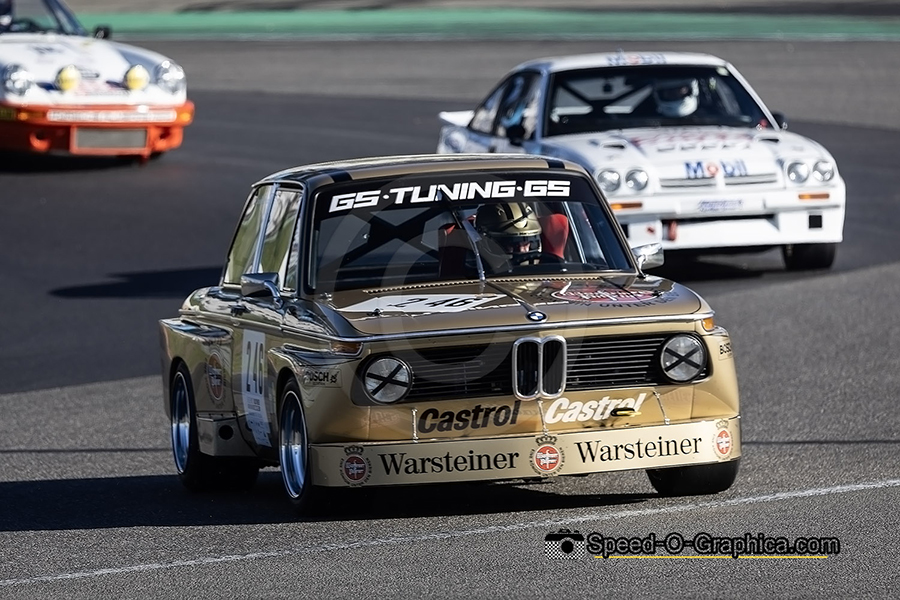
By Marcel Hundscheid / Speed-O-Graphica
Throughout the history of motorsport, we have encountered various high-profile touring car championships over the years. However, there are only a few that have created a true cult following and remain a topic of conversation to this day.
In a series of articles, we look back at the origins of the renowned DRM championship from Germany, or the Deutsche Rennsport-Meisterschaft. It was the ancestor of the current DTM championship, which saw the light of day in 1984.
The DRM-championship was immensely popular, and in the late 1970s, it was Europe’s most important motorsport championship after Formula 1. However, the championship did not have a long life, as will become apparent from our description. At its peak, the DRM fell victim to changed regulations by the then FISA, and the starting grids became dramatically smaller in size in 1985.
In the 1970s, a great deal was possible in motorsport. An example was the American-Canadian CanAm championship, where regulations were virtually non-existent and it was effectively known as unlimited motorsports. Formula 1 gained access to slick tires from 1971, and it was notable that racing cars in general were increasingly equipped with spoilers. Within a few months, the previously used racing cars looked like relics of a bygone era.
In this environment, the German Racing Championship (DRM) was established. It represented a complete new beginning consistently abandoning old traditions.
Until 1970 Germany had the DARM Championship (Deutsche Automobil-Rundstrecken-Meisterschaft), or German Circuit Racing Championship. This championship was particularly known for its very complex regulations. Various classes were permitted that raced together for the championship. An example of this complexity was that GT car drivers earned “good points” if they drove faster than comparable touring cars.
However, it could get even crazier: Additional “bonus points” were awarded to drivers who covered at least 90 percent of the distance of the respective class winner and whose average speed was no more than 10 percent lower than that of the class winner. In theory, this ensured perfect equality of opportunity.
It hardly needs explaining that the car manufacturers were deterred by the high degree of complexity. In theory, a small car could even end up ahead of a much faster car on the track in the championship standings.
However when Hugo Emde, Bilstein’s sports and PR manager, Jochen Neerpasch, Ford’s sports director and Fritz Jüttner of Bosch joined forces, a new championship was born. This trio was able to carry enough weight to persuade the National Motorsport Commission in Germany (ONS) to implement new regulations in 1972.
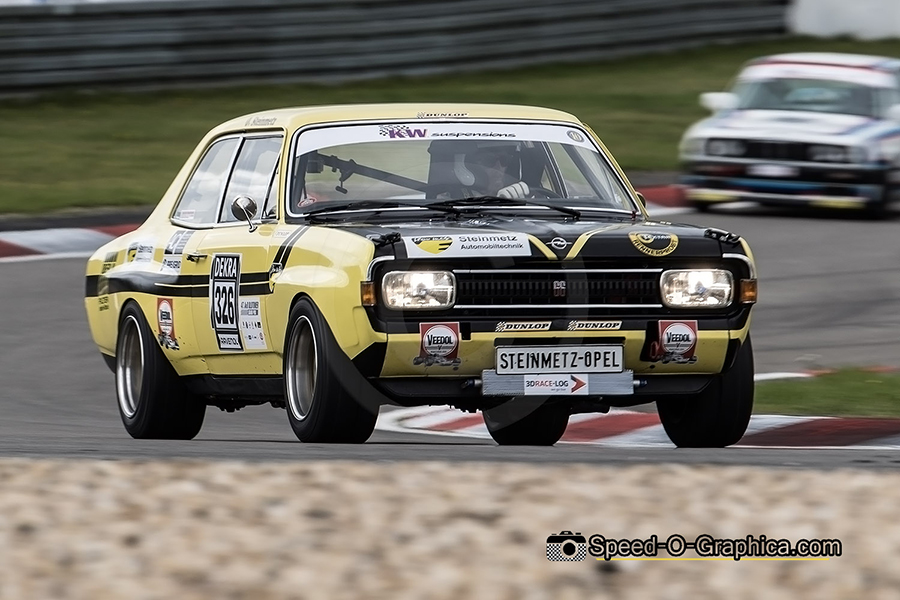
The trio’s intention was to rekindle the automotive industry’s enthusiasm for a championship comprising a maximum of two different divisions. Under the new regulations, engine displacement was the decisive factor in determining which of the two divisions a car was classified into.
Division 1 was open to cars with an engine displacement between 2 and 4 liters. In the smaller Division 2, cars with an engine displacement of less than 2 liters were admitted. In this way, a clear distinction was also made between touring cars and GTs. Additionally, special touring cars from Group 2 and GTs from Group 4 were welcome in both divisions.
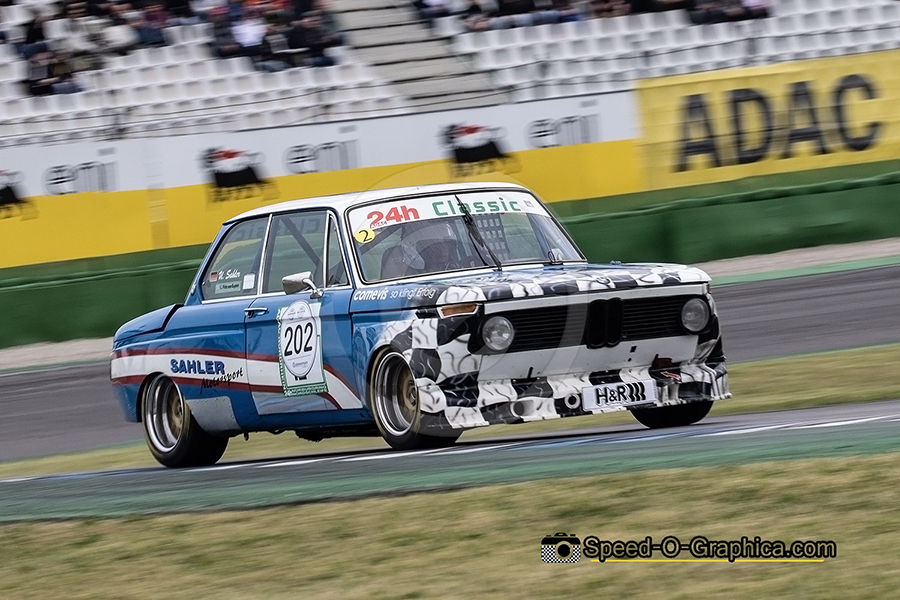
To give the new series even more substance, the ONS wanted top drivers to compete in Division 1 for the German car manufacturers BMW, Ford Cologne, and Porsche. At the same time, the name DARM (Deutsche Automobil-Rundstrecken-Meisterschaft) was changed to DRM, Deutsche Rennsport-Meisterschaft. Incidentally, in its early years, the championship consisted of a combination of circuit races and a limited number of hillclimb races.
To enhance the race days, the ONS launched the new circuit racing cup for up-and-coming drivers as a foundation for the major championship.
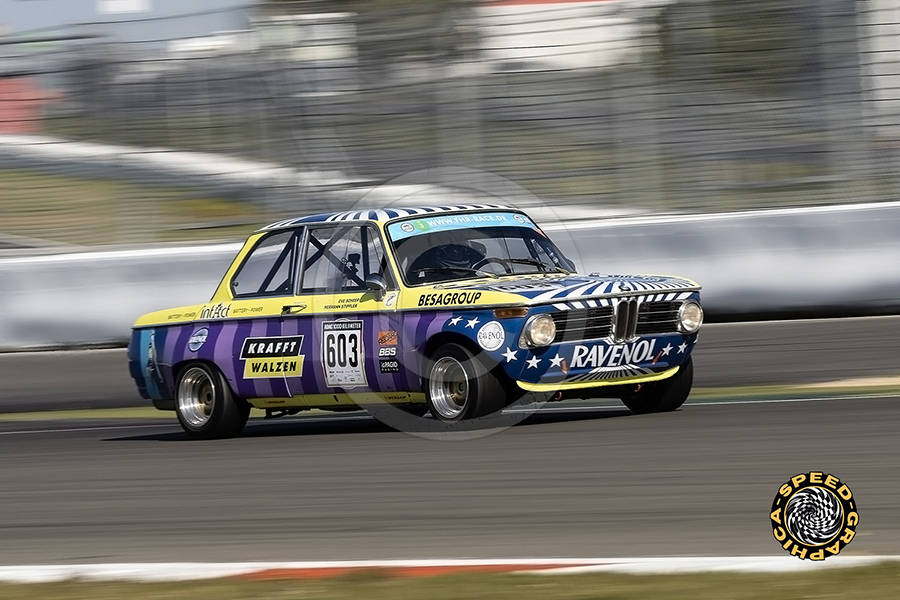
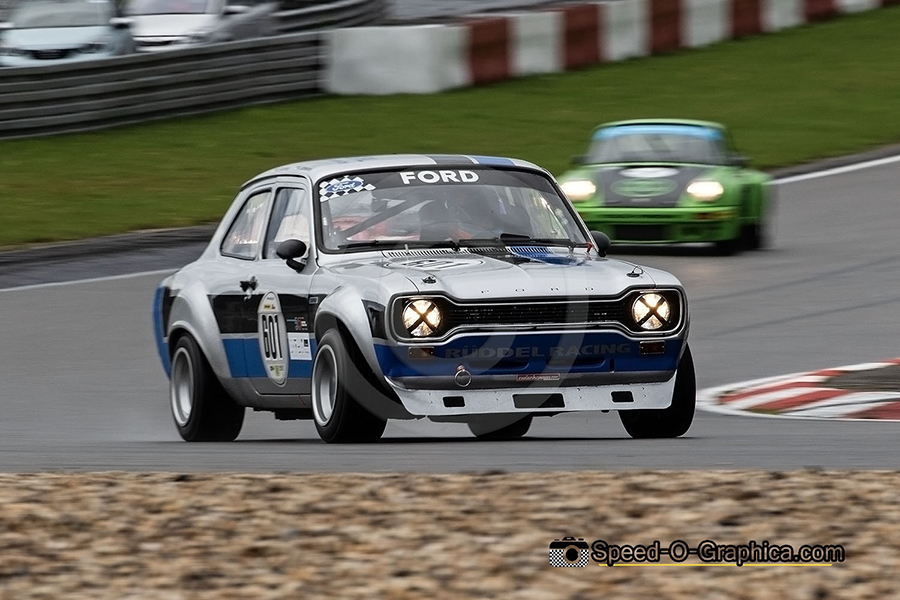
The ONS decided to retain the already thirteen proven classes. For cars like the Abarth 1000 TC, Alfa Romeo 1300 GTA Junior, Ford Escort 1300 GT, Morris Mini Cooper and NSU TT this meant that they had a platform too. Besides this these cars completed the racing program over a DRM weekend.
In the second episode, we take look at the inaugural season of the DRM Championship in 1972.
