Europe’s finest during the 70s & early 80s, the DRM-championship: part 4, 1978

By Marcel Hundscheid / Speed-O-Graphica
In the fourth part of our retrospective on one of the most prominent touring car championships, the Deutsche Rennsport Meisterschaft, we look back at the 1978 season.
When the Deutsche Rennsport Meisterschaft decided to admit Group 5 cars, it was once again a risky move. The organisers opted to allow experimental silhouette designs, as opposed to the safe choice of sticking with production-based touring cars.
The regulations were broad in the literal sense of the word. The foundation was the so-called “cage” of a production car. Beneath this cage lay the driver’s compartment, consisting of load-bearing pillars supplemented by windows and a roof. Beyond that, teams had complete freedom to design and construct the remaining elements according to their own ideas.
And the regulations went even further! Teams enjoyed total freedom regarding the powertrain as well. For instance, the engine did not have to come from the specific car model being used; the rules were satisfied simply if the engine block came from the same manufacturer as the entered vehicle. This resulted in entries featuring for example, turbocharged engines of a type one would certainly never encounter on the public road.
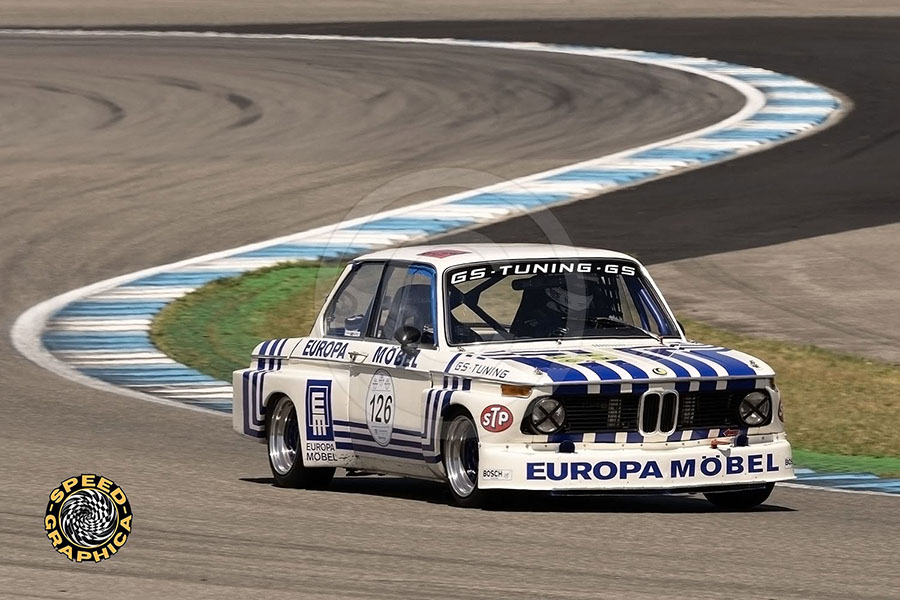
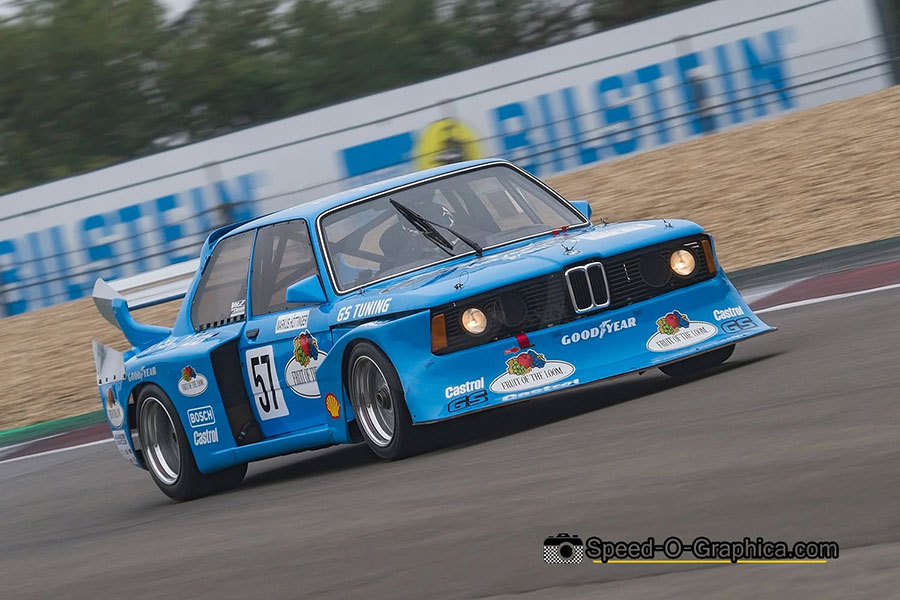
BMW, Ford and Lancia soon followed suit once Porsche appeared with the 935 Turbo. This stood in stark contrast to the BMW 2002, which was available with a turbo engine for road use in 1973 and 1974. However, BMW decided against a turbo engine for the road-going version of the 320 (E21) model, whereas the BMW 320 Group 5 competed in the DRM with a turbocharged engine.
With the arrival of the Group 5 cars it was immediately clear that the era of the old touring cars had ended—a shift that was also immediately reflected in the size of the starting grids. However that latter trend was short-lived; Gelo Racing for instance, regularly fielded three Porsche 935s. Schnitzer campaigned the Celica Turbo for Toyota Germany, though it was entered only in selected races. For specific events, BMW Motorsport fielded star drivers such as Eddie Cheever, Hans-Joachim Stuck, and Ronnie Peterson.
1978 was the second year of racing with Group 5 cars, a period during which the organisers were immediately faced with a major challenge. One of the championship’s requirements was a minimum of ten cars per division. A second challenge lay in the fact that a turbo engine was also mandatory for Division 2.
In that particular year, Porsche’s dominance faced stiff competition from an unexpected quarter. BMW used a number of DRM races to test the 320 IMSA Turbo—featuring a 2.1-litre engine—which it had developed in collaboration with McLaren. At the same time the turbo engine was the benchmark in Division 2, where BMW won seven of the eleven races.
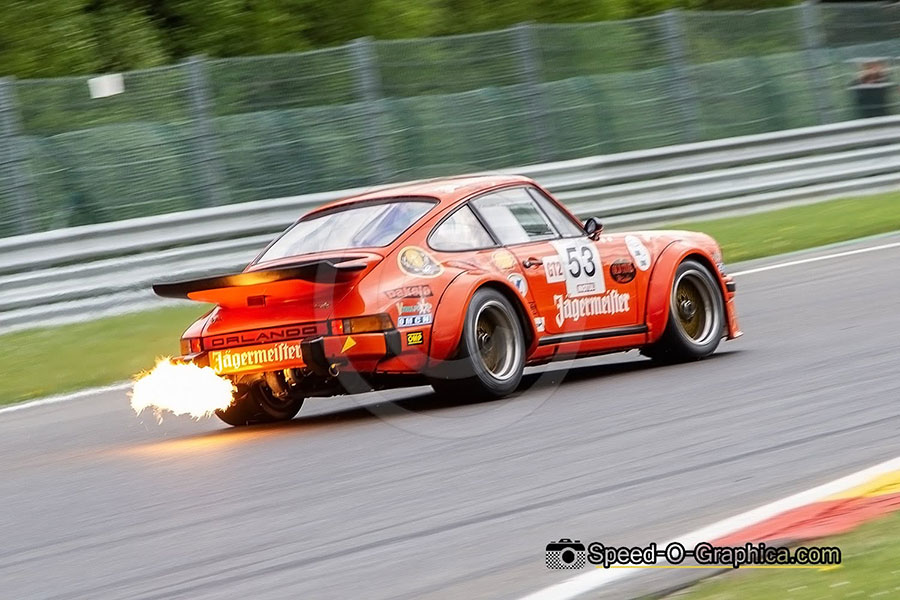
The battle for the championship was primarily between Toine Hezemans in a Gelo Racing Porsche 935 and Harald Ertl in a Schnitzer BMW 320 Turbo. Georg Loos’ arch-rival, Kremer Racing, faltered somewhat with Bob Wollek in a Porsche 935. Max Moritz Racing was plagued by bad luck, while Hezemans faced no threat from the other 935s entered by Gelo Racing.
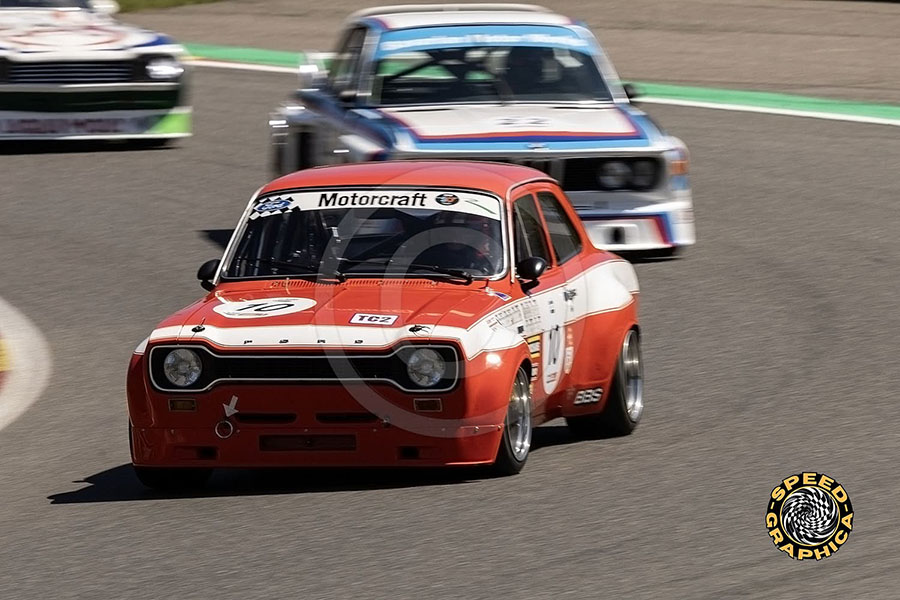
Harald Ertl faced no competition for his part from Zakspeed and their aging Escort. The new Zakspeed Capri Turbo did not appear until late in the championship and proved far from reliable at the time. However, whenever the Capri did manage to complete a race, it proved to be incredibly fast. This served as a warning to the competition: if Zakspeed could resolve the reliability issues, the Capri would become a formidable rival.
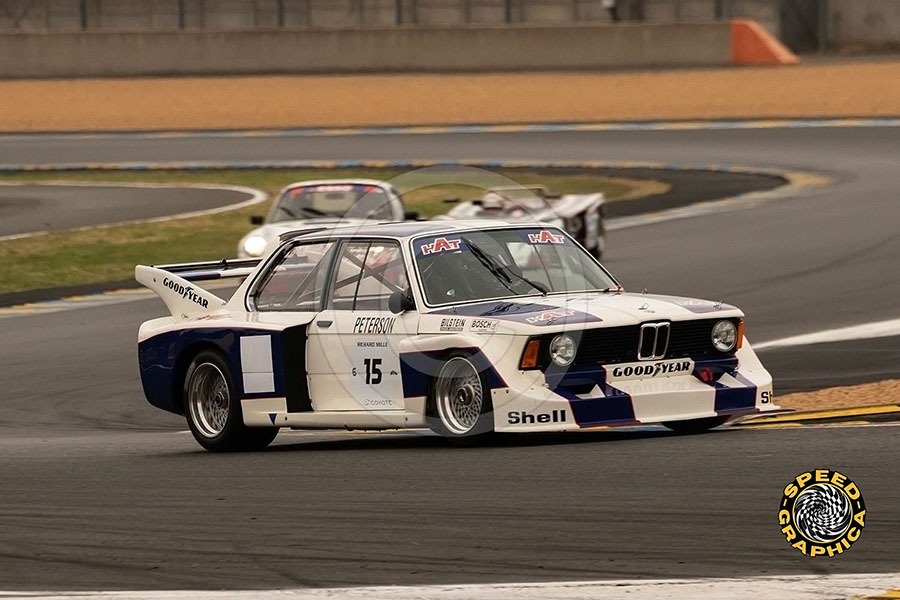
Initially it seemed Hezemans might still make a bid for the championship. However when he failed to reach the finish line at the Norisring, his chances of contending for the title vanished in an instant. Furthermore the relationship between Hezemans and team owner Georg Loos was no longer what it used to be.
Harald Ertl subsequently performed well in the season’s final race at the Nürburgring, finishing second. At the same time, Hans Heyer secured Zakspeed’s first victory with the black, yellow, and red Mampe Capri Turbo. That second-place finish was enough for Ertl to clinch the championship; the Austrian, who was based in Germany, won five of the eleven races in Division 2.
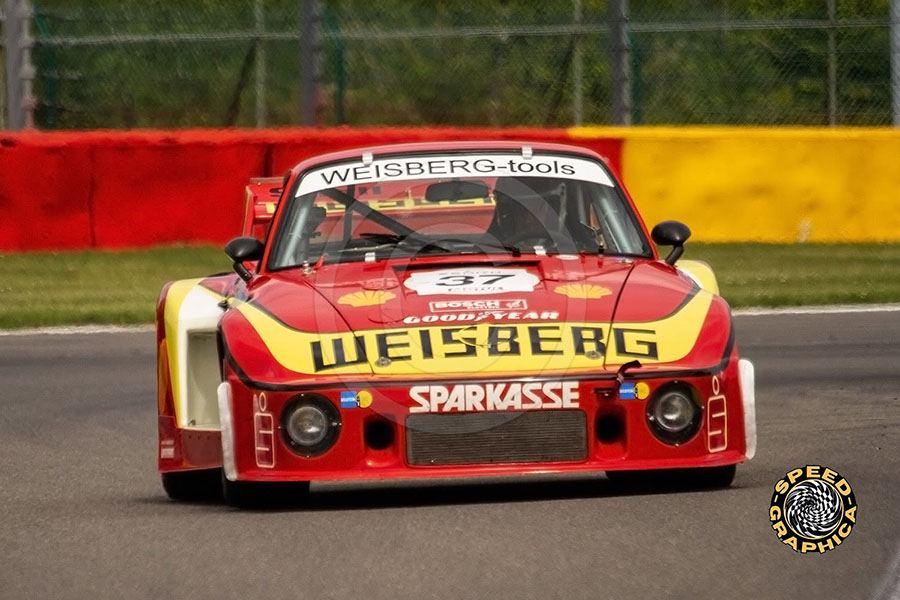
Dutch driver Toine Hezemans lost the championship due to the ego of team principal Georg Loos. Loos had a standing rule that his race cars were only permitted on the track when he was personally present.
As a result, Hezemans arrived late for practice sessions during the races at Zolder in Belgium. Hezemans subsequently announced his departure from Gelo Racing. However, because the Dutchman was stil in contention for the title, Porsche managed to persuade him to stay. It was to no avail, though, as Ertl was crowned champion at the end of the season.
Results DRM Championship 1978
- Harald Ertl, Sachs Sport BMW 320 Turbo, 150 points
- Toine Hezemans, Gelo Racing Porsche 935/77A 140 points
- Bob Wollek, Vaillant-Kremer Team Porsche 935/77A, 131 points
In our next part, we continue our retrospective of the DRM championship with the year 1979.
