Europe’s Finest During the 70s & Early 80s, The DRM-Championship: Part 7, 1980

By Marcel Hundscheid/Speed-O-Graphica
In part six of our series covering the legendary DRM championship, we turn our attention to the year 1980.
The 1980 DRM season went down in history as a turbulent and fiercely contested championship. Technical innovations were a major highlight that year, with a particular focus on ground effect.
As far as the World Championship was concerned, Group 5 was going through a difficult period, which in turn had an impact on the DRM championship. The number of entries in Division 1 could only be described as meager.
The 1980 season—comprising thirteen rounds and even a notable race abroad at Donington appeared to offer a stable calendar. However, the protests and debates surrounding the Zakspeed Ford Capri Turbo did the championship more harm than good. Due to the high costs associated with turbo engines, many teams opted out of competing in Group 5.
Unlike the drivers who competed in the World Championship for Makes, the DRM championship featured many privateers. In Division 1, these privateers were completely outclassed, unable to keep pace with the immense power displayed by the Capris, Porsches and BMWs.
The ONS (the German motorsport governing body) responded shrewdly to the shrinking starting grids—particularly for Group 5 cars—by allowing Group 4 vehicles to enter as well. However this process was not without its issues.
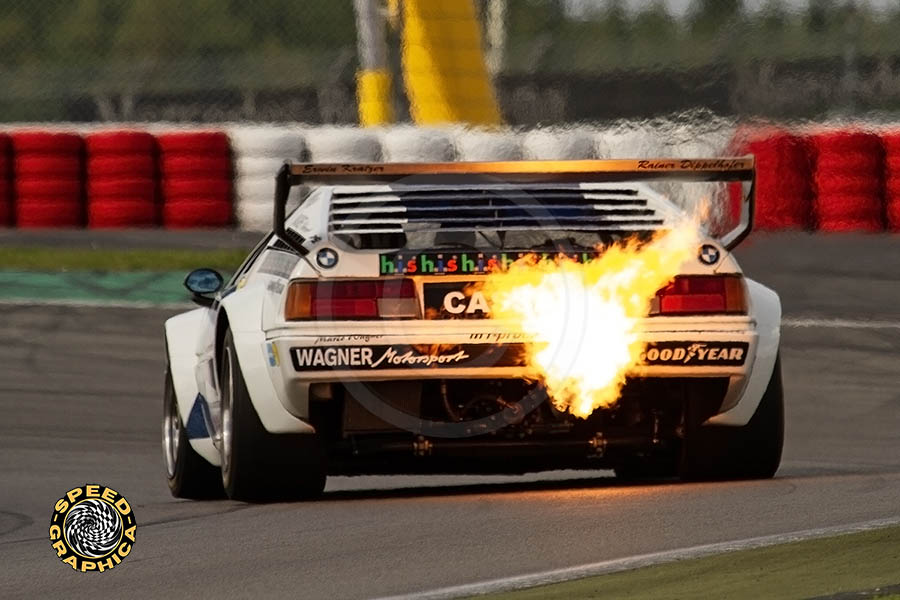
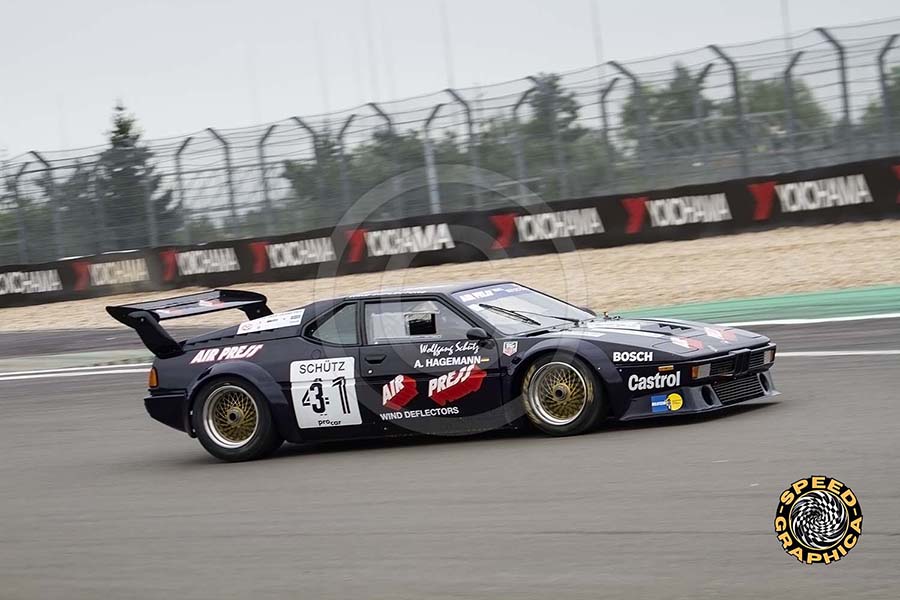
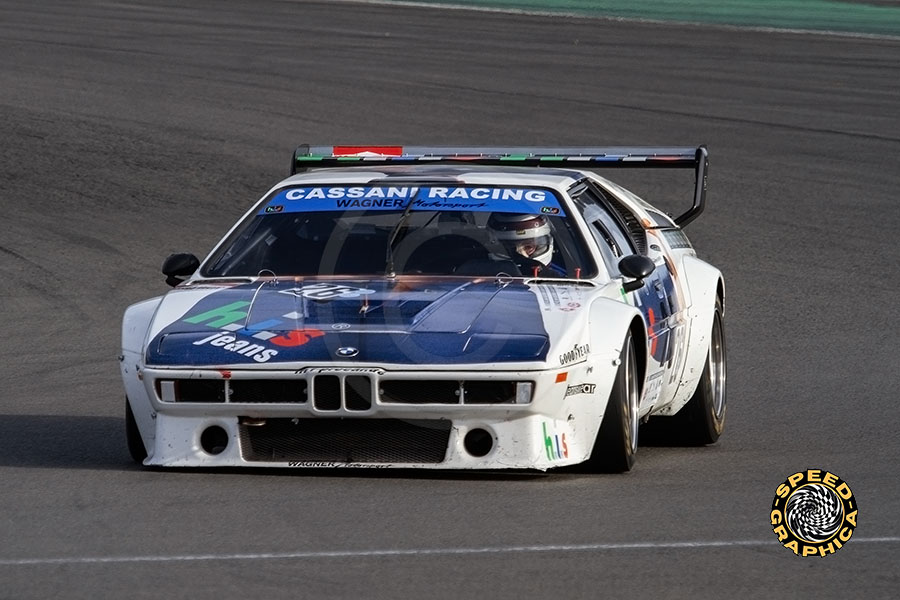
For instance, thanks to special dispensations, BMW M1s from the Procar championship were permitted to compete in the Group 4 category. These dispensations were so extensive that the cars were even allowed to retain the front and rear spoilers they had used in the Procar series.
Remarkable in every respect—not least because the M1 and its spoilers, while technically compliant with homologation rules, still managed to stir up plenty of controversy.
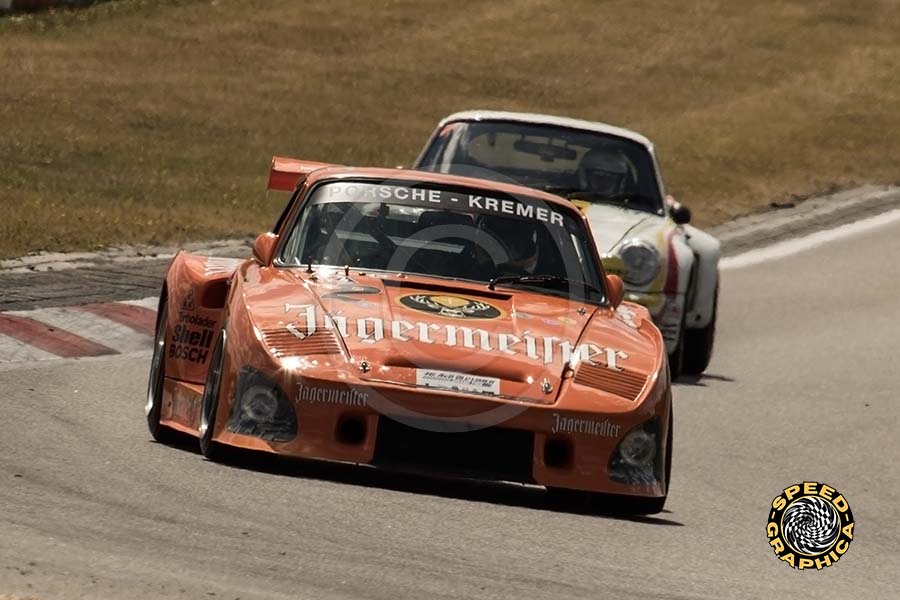
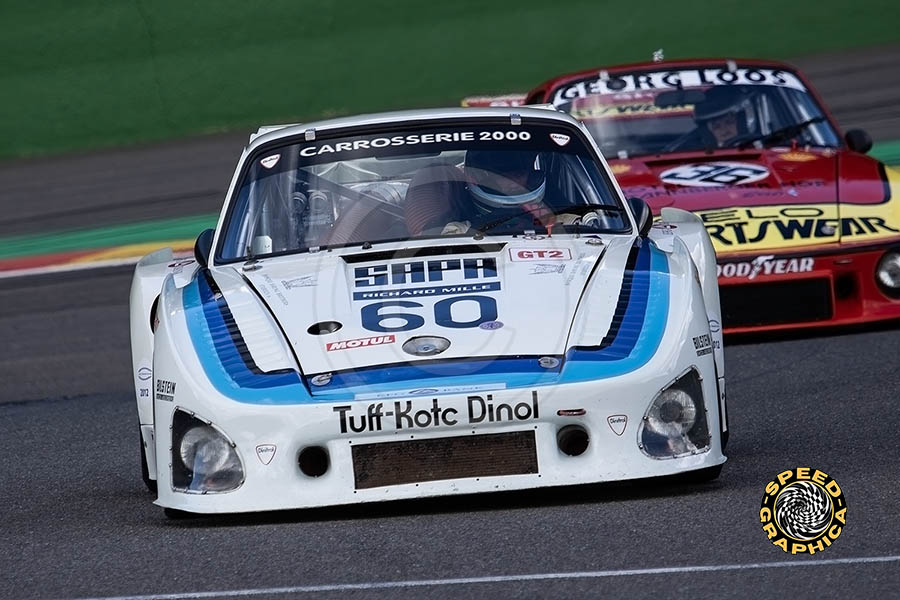
Georg Loos for instance, fielded only a single Porsche 935/80 for Bob Wollek. Kremer Racing made a miscalculation by designating Axel Plankenhorn as their lead driver. Things were equally dismal for the Liqui Moly team although Rolf Stommelen and Volkert Merl secured a spectacular victory at the 24 Hours of Daytona that year.
On the other hand, their campaign in the DRM championship—using a Porsche 935J prepared by Joest Racing proved to be a completely different story. Stommelen was plagued by a series of technical and mechanical issues, leading to several premature retirements.
Eric Zakowski’s Zakspeed team literally pushed the boundaries of engineering an approach clearly evident in the Zakspeed Ford Capri Turbo. The car utilized integrated venturis designed to generate immense downforce, which prompted technical protests from rival teams including Porsche.
Moreover, several other factors made that particular racing season a turbulent one. Disqualifications became a recurring theme throughout the year, accompanied by a series of technical disputes and legal challenges concerning bolt-on side wings and chassis regulations.
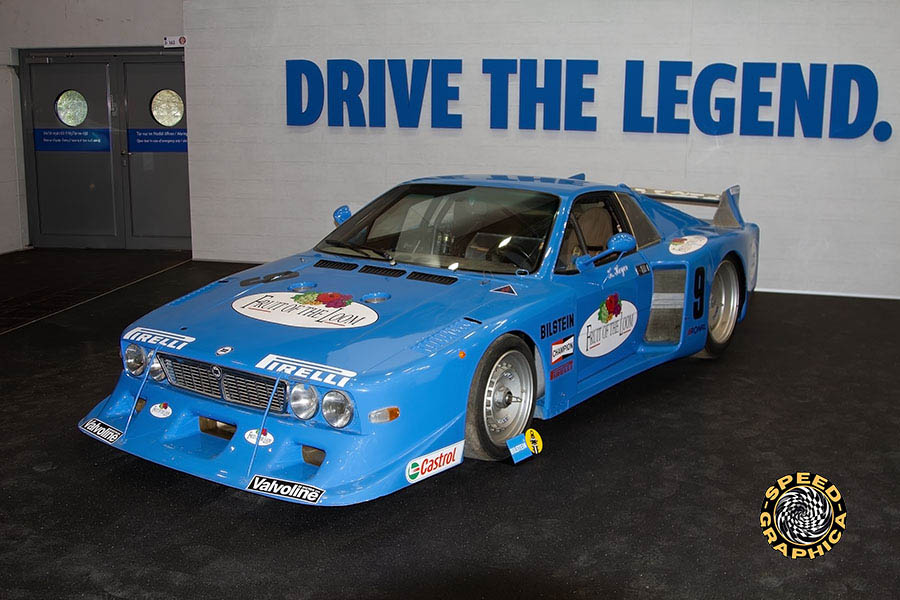
For Lancia 1980 was a landmark year that signaled a major breakthrough for the Italian manufacturer. In the smaller class Division 2, the Lancia Beta Monte Carlo Turbo proved to be the benchmark.
Hans Heyer managed to break the hegemony of the Zakspeed Ford Capri Turbos, which had repeatedly secured pole position during qualifying sessions. Ultimately however, he won the championship through consistency rather than the raw speed of his Lancia.
Over the course of the season, he crossed the finish line in first place only twice. Furthermore, he was incredibly fortunate to survive a severe crash at the ADAC Norisring Trophae.
Heyer’s Lancia suffered from a broken left front brake disc and caliper failure, that caused the tie rod to break and the front-left tire to burst. At high speed, Heyer’s Lancia went out of control and rolled violently multiple times along the barrier. Luckily, the German walked away uninjured.
During the first race of that year at Zolder in Belgium, the Ford Capri failed its technical inspection because its rear wing was too wide. Following a protest lodged by Zakspeed, the Capri was permitted to start after all. Ludwig drove the Kraus-Zakspeed Team Capri to a second place finish behind winner Rolf Stommelen but race officials subsequently disqualified him.
Ludwig then appeared at the second race held at the Nürburgring, once again with the oversized rear wing. Although the car failed the technical inspection, a newly filed protest allowed him to take the start. He crossed the finish line in fourth place, only to be disqualified once again.
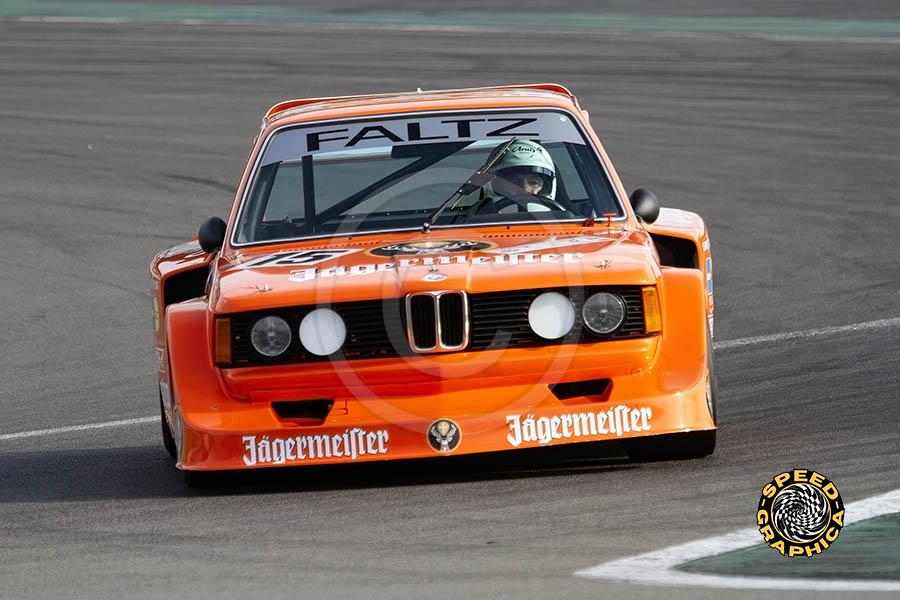
It was not until the third race at Hockenheim, that teams and the governing body reached an understanding. On this occasion Ludwig won the race, ahead of Axel Plankenhorn in the Jägermeister Kremer Racing Porsche 935 K3/80 and Volkert Merl in the Liqui Moly Equipe Porsche 935J.
In the major category, Division 1, the Zakspeed Ford Capri Turbo and the Porsche 935 were the dominant forces. The Capri models were particularly notable for their Venturi tunnels, which effectively represented the first generation of ground-effect technology.
Although it initially appeared that Klaus Ludwig would take the title, he fell short on points by the end of the season. Early in the 1980 season, he suffered several retirements due to reliability issues.
As a result, he missed out on 23 points—points that would have been crucial for securing the overall championship during the decisive final stretch of the season.
In Division 2, only a few combinations stood a real chance of winning. While Klaus Niedzwiedz was fast, he lacked experience. Harald Ertl meanwhile, was plagued by an extraordinary amount of bad luck, which caused his chances of victory to evaporate. Although Ertl secured pole position eight times that season—converting four of those into wins—he also failed to reach the finish line on six occasions.
Hans-Joachim Stuck was among the faster contenders in the smaller division, though he too frequently had to contend with poor results. The list of race winners that season included Hans-Joachim Stuck (BMW), Harald Ertl (Ford Capri), and John Fitzpatrick; however, technical issues prevented them from mounting a serious challenge for the title.
For Lancia 1980 was a landmark year that signaled a major breakthrough for the Italian manufacturer. In the smaller class, Division 2, the Lancia Beta Monte Carlo Turbo proved to be the benchmark. The car had originally been developed by Lancia for competition in the World Championship for Makes.
However Lancia recognized the immense marketing potential offered by the DRM championship. Consequently they commissioned the German-based team GS Motorsport run by Günther Schmidt to field the Beta Monte Carlo Turbo in the DRM Championship.
Heyer was signed after he turned down an offer from Ford to continue driving the small Capri in Division 2. Hans Heyer managed to break the hegemony of the Zakspeed Ford Capri Turbos, which had repeatedly secured pole position during qualifying sessions.
In the end Heyer grabbed the title. The foundation for his title was built on consistency—scoring points at tactical moments throughout the season and crucially staying out of trouble during the chaotic races that took place over the course of the year. In our next episode we will focus on 1981.
Results DRM-Championship 1980
- Hans Heyer – Fruit of the Loom / GS Sport Lancia Beta Montecarlo Turbo Gr.5 1.4
- Hans-Joachim Stuck – Team Schnitzer BMW 320 Turbo Gr.5 1.4
- Klaus Ludwig – Kraus Zakspeed Team Ford Capri Turbo Gr.5 1.7
